更新日: 2026年03月13日
7 Must-Try Foods in Fukushima, Japan
Fukushima station is just an hour and a half from Tokyo by bullet train. Its mountains, sea, and valleys have nurtured a rich food culture, offering unique noodles, sweets, and sake found only here.
7 Must-Try Local Delicacies in Fukushima
Fukushima station is just an hour and a half from Tokyo by bullet train. Its mountains, sea, and valleys have nurtured a rich food culture, offering unique noodles, sweets, and sake found only here.
Aizu Area
1. Negi Soba
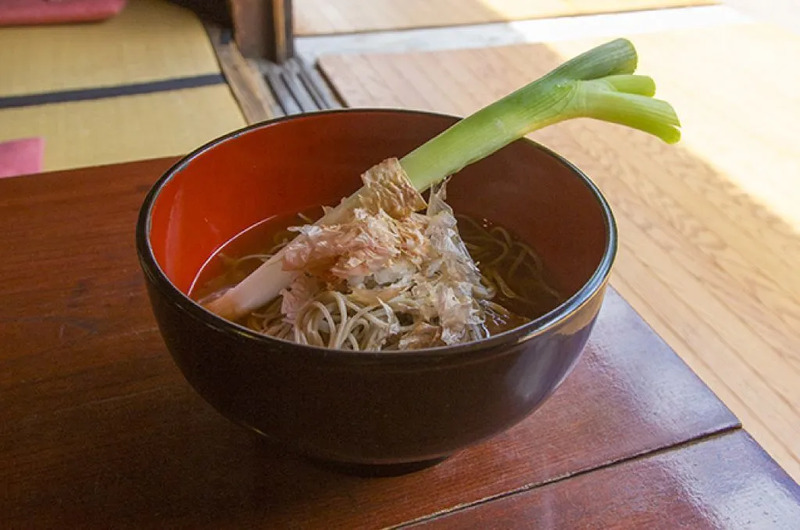
Photo by the Fukushima Tourism & Local Products Association
Location: Ouchi-juku / Take a bus or taxi from Yunokami Onsen Station on the Aizu Railway Line
Ouchi-juku is a post town established during the Edo period (1603–1868). At that time, feudal lords across Japan were required to make regular visits to Edo (present-day Tokyo), where the shogun resided. Post towns were settlements established along the highways for lodging and rest during these journeys. In Ouchi-juku, houses with thatched roofs made of bundled rice straw or reeds still line the streets, preserving the landscape of centuries past almost entirely intact.
The specialty of this village is negi soba. A whole leek (negi) is used instead of chopsticks to eat the noodles. The flavor changes with each bite, as the leek’s spiciness and sweetness dissolve into the broth. The way of eating the soba is itself an experience, making this a dish that will make a strong impression on visitors’ memories.
Ouchi-juku is a post town established during the Edo period (1603–1868). At that time, feudal lords across Japan were required to make regular visits to Edo (present-day Tokyo), where the shogun resided. Post towns were settlements established along the highways for lodging and rest during these journeys. In Ouchi-juku, houses with thatched roofs made of bundled rice straw or reeds still line the streets, preserving the landscape of centuries past almost entirely intact.
The specialty of this village is negi soba. A whole leek (negi) is used instead of chopsticks to eat the noodles. The flavor changes with each bite, as the leek’s spiciness and sweetness dissolve into the broth. The way of eating the soba is itself an experience, making this a dish that will make a strong impression on visitors’ memories.
2. Kitakata Ramen
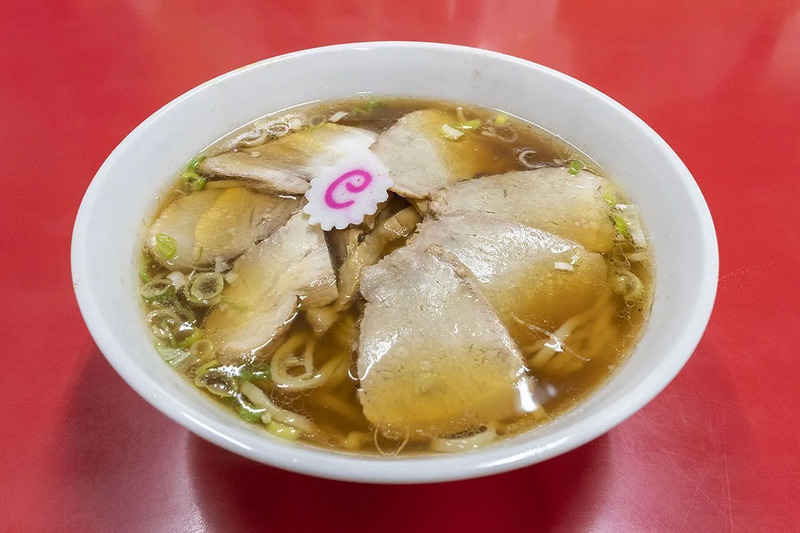
Photo by the Fukushima Tourism & Local Products Association
Get off at Kitakata Station on the JR Ban-etsu West Line
Ramen is a dish that combines wheat flour noodles with a broth simmered to bring out the umami of meat, fish, and vegetables, and is now one of Japan's representative food cultures. It is popular among foreign visitors, too, who consistently rank it highly among the dishes they want to eat in Japan.
Kitakata ramen is nationally renowned as one of Japan's leading varieties of ramen. The town of Kitakata has a high density of ramen shops, with about 100 ramen shops in a town of 40,000 people, truly making Kitakata a Ramen Mecca. The combination of a clean, soy sauce-based broth with chewy, flat, thick, curly noodles creates a mild flavor that everyone can enjoy. Breakfast ramen has taken root as a unique local custom, where people eat ramen before farm work or early morning jobs. Savoring a steaming bowl at a shop that opens at 7 a.m. is one of the joys of traveling here.
Ramen is a dish that combines wheat flour noodles with a broth simmered to bring out the umami of meat, fish, and vegetables, and is now one of Japan's representative food cultures. It is popular among foreign visitors, too, who consistently rank it highly among the dishes they want to eat in Japan.
Kitakata ramen is nationally renowned as one of Japan's leading varieties of ramen. The town of Kitakata has a high density of ramen shops, with about 100 ramen shops in a town of 40,000 people, truly making Kitakata a Ramen Mecca. The combination of a clean, soy sauce-based broth with chewy, flat, thick, curly noodles creates a mild flavor that everyone can enjoy. Breakfast ramen has taken root as a unique local custom, where people eat ramen before farm work or early morning jobs. Savoring a steaming bowl at a shop that opens at 7 a.m. is one of the joys of traveling here.
3. Aizu Worcestershire Sauce Katsu-Don (Pork cutlet bowl)
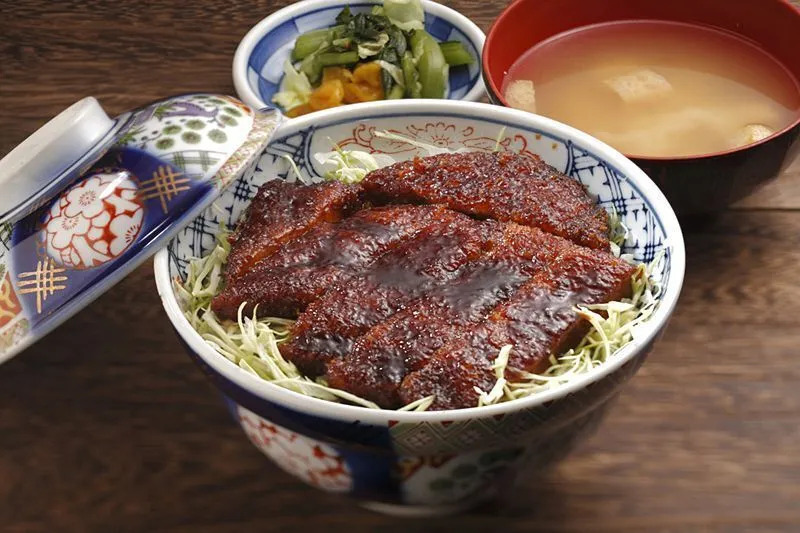
Photo by the Fukushima Tourism & Local Products Association
Get off at Aizu-Wakamatsu Station on the JR Ban-etsu West Line
“Katsu” refers to breaded and deep-fried pork cutlets, while “don” (large bowl) refers to a single dish of a prepared item served over rice. The sauce katsu-don in Aizu has a characteristic not found in other regions. The rice is covered with a layer of crisp shredded cabbage, on top of which sits a generous portion of just-fried katsu. The sauce that blankets the katsu is a special blend created by each shop, based on Worcestershire sauce and enhanced with dashi stock and sugar. The exquisite balance of sweetness and acidity, combined with the refreshing cabbage, creates the light and satisfying Aizu-style taste. The Traditional Aizu Sauce Katsu-Don Association was formed in 2004 to preserve this flavor, which has been cherished in local eateries since the Taisho era (1920s) and remains treasured today as part of Aizu’s identity.
“Katsu” refers to breaded and deep-fried pork cutlets, while “don” (large bowl) refers to a single dish of a prepared item served over rice. The sauce katsu-don in Aizu has a characteristic not found in other regions. The rice is covered with a layer of crisp shredded cabbage, on top of which sits a generous portion of just-fried katsu. The sauce that blankets the katsu is a special blend created by each shop, based on Worcestershire sauce and enhanced with dashi stock and sugar. The exquisite balance of sweetness and acidity, combined with the refreshing cabbage, creates the light and satisfying Aizu-style taste. The Traditional Aizu Sauce Katsu-Don Association was formed in 2004 to preserve this flavor, which has been cherished in local eateries since the Taisho era (1920s) and remains treasured today as part of Aizu’s identity.
Naka-dori (Central) Area
4. Disk Gyoza
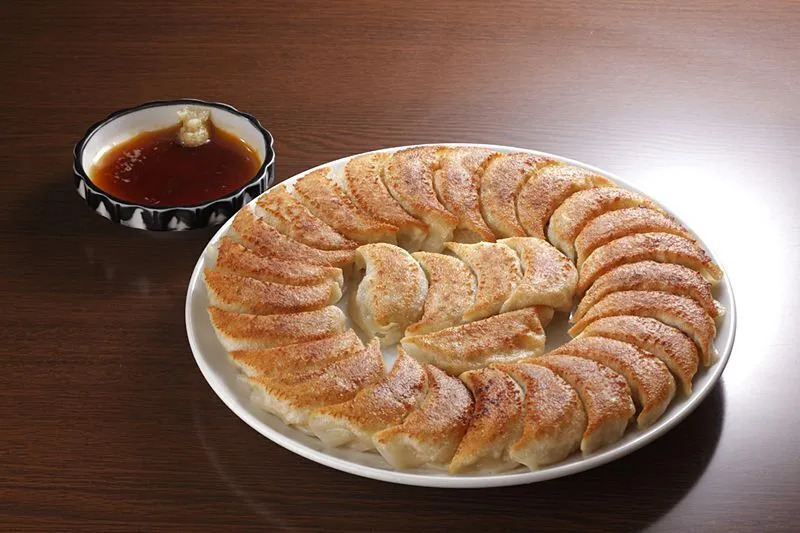
Photo by the Fukushima Tourism & Local Products Association
Get off at Fukushima Station on the JR Tohoku Shinkansen, Yamagata Shinkansen, Ou Line, or Tohoku Line.
Gyoza are made by wrapping a filling made of pork and vegetables in wheat flour skin and frying them in a pan. The dish was introduced to Japan from China and has evolved in different ways in different regions. Fukushima City is known as a city of gyoza, boasting a local gyoza culture with deep roots.
The defining feature of disk gyoza is, as the name suggests, its visual appeal. Gyoza are arranged tightly around the circular edge of a frying pan, fried, then flipped onto a plate and served. The disk-like form is truly impressive the moment the dish hits the table. Enjoy the gyoza’s crisp, thin skin and juicy, densely packed filling of meat and vegetables. Best shared with others, disk gyoza will spark lively conversation with your travel companions.
Gyoza are made by wrapping a filling made of pork and vegetables in wheat flour skin and frying them in a pan. The dish was introduced to Japan from China and has evolved in different ways in different regions. Fukushima City is known as a city of gyoza, boasting a local gyoza culture with deep roots.
The defining feature of disk gyoza is, as the name suggests, its visual appeal. Gyoza are arranged tightly around the circular edge of a frying pan, fried, then flipped onto a plate and served. The disk-like form is truly impressive the moment the dish hits the table. Enjoy the gyoza’s crisp, thin skin and juicy, densely packed filling of meat and vegetables. Best shared with others, disk gyoza will spark lively conversation with your travel companions.
5. Shinkansen Coupling Pudding
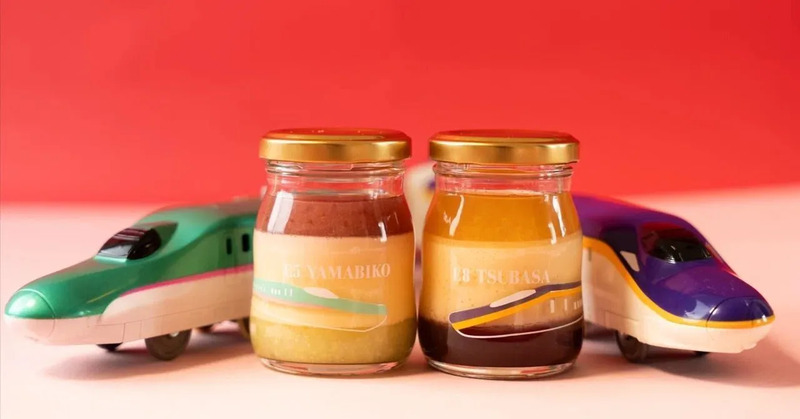
Photo by Hanamaruko Design
Moriyama Corporation (Ryokan New Ougiya / Café Gensen Yuan Moriyama)
Moriyama Corporation (Ryokan New Ougiya / Café Gensen Yuan Moriyama)
Sold at:
・Café Gensen Yuan Moriyama (Tsuchiyu Onsen) Forty (40) minutes by bus or taxi from JR Fukushima Station
・At Fukushima Station: inside the ticket gates, at Omiyage Dokoro Fukushima in the station, and at the West Exit of the station
The Shinkansen is Japan’s renowned high-speed rail system. Fukushima Station is one of only two stations nationwide (the other being Morioka Station) where the Tohoku Shinkansen Yamabiko and Yamagata Shinkansen Tsubasa trains couple and decouple. The JR Fukushima Station Shinkansen Coupling Yuan Pudding was inspired by, and takes the motif of, the moment in which two trains become one.
When placing the two jars side by side, the Shinkansen trains drawn on the jars connect, recreating a real coupling scene. The pudding set encapsulates the flavors of the three Tohoku prefectures connected by the Shinkansen. The Yamabiko pudding features Fukushima strawberries and Miyagi zunda (a traditional Tohoku edamame paste), while the Tsubasa pudding features Fukushima apricots and Yamagata grapes. These rich puddings, made using only the yolks of onsen eggs from the private spring at New Ougiya (Café Gensen Yuan Moriyama) in Tsuchiyu Onsen, have been featured in the media as a product developed in collaboration with JR East. You can purchase them at Fukushima Station, so why not make it a memorable part of your trip?
・Café Gensen Yuan Moriyama (Tsuchiyu Onsen) Forty (40) minutes by bus or taxi from JR Fukushima Station
・At Fukushima Station: inside the ticket gates, at Omiyage Dokoro Fukushima in the station, and at the West Exit of the station
The Shinkansen is Japan’s renowned high-speed rail system. Fukushima Station is one of only two stations nationwide (the other being Morioka Station) where the Tohoku Shinkansen Yamabiko and Yamagata Shinkansen Tsubasa trains couple and decouple. The JR Fukushima Station Shinkansen Coupling Yuan Pudding was inspired by, and takes the motif of, the moment in which two trains become one.
When placing the two jars side by side, the Shinkansen trains drawn on the jars connect, recreating a real coupling scene. The pudding set encapsulates the flavors of the three Tohoku prefectures connected by the Shinkansen. The Yamabiko pudding features Fukushima strawberries and Miyagi zunda (a traditional Tohoku edamame paste), while the Tsubasa pudding features Fukushima apricots and Yamagata grapes. These rich puddings, made using only the yolks of onsen eggs from the private spring at New Ougiya (Café Gensen Yuan Moriyama) in Tsuchiyu Onsen, have been featured in the media as a product developed in collaboration with JR East. You can purchase them at Fukushima Station, so why not make it a memorable part of your trip?
Hama-dori (Coastal) Area
6. Tomioka Winery
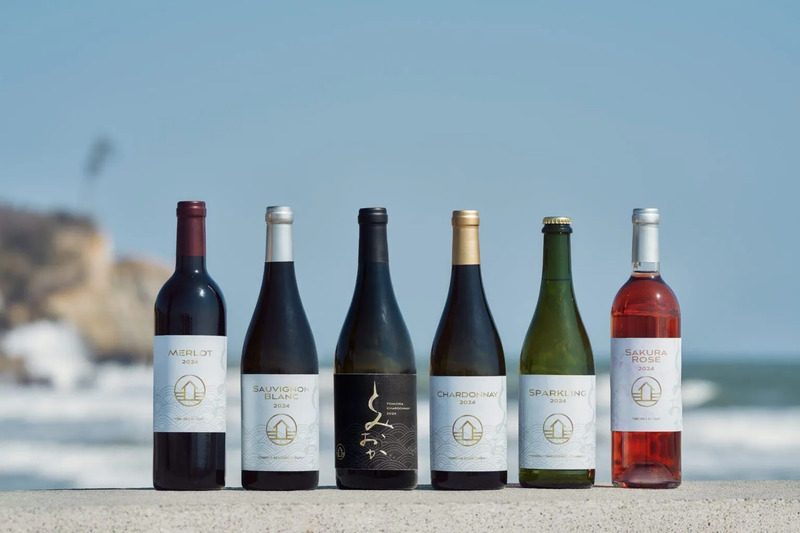
Photo by Tomioka Winery
A 10-minute walk from Tomioka Station on the JR Joban Line
Japanese wine has been gaining global attention in recent years. Japanese wineries have been winning awards one after another at major international competitions, starting with the UK’s Decanter World Wine Awards, sparking worldwide interest in wines made from Japanese grape varieties. Fukushima Prefecture is now drawing attention as a new region for producing Japanese wine.
Tomioka Winery was established in 2025 in Tomioka-machi, Futaba-gun of Fukushima Prefecture. Here, grapes are cultivated and wine is brewed on land perfumed by sea breezes from the Pacific Ocean. At the restaurant, you can enjoy wine paired with fresh seafood landed from Fukushima’s rich fishing grounds off the Joban coast. The passion for this land and the winemaker’s vision quietly reside within each glass.
Japanese wine has been gaining global attention in recent years. Japanese wineries have been winning awards one after another at major international competitions, starting with the UK’s Decanter World Wine Awards, sparking worldwide interest in wines made from Japanese grape varieties. Fukushima Prefecture is now drawing attention as a new region for producing Japanese wine.
Tomioka Winery was established in 2025 in Tomioka-machi, Futaba-gun of Fukushima Prefecture. Here, grapes are cultivated and wine is brewed on land perfumed by sea breezes from the Pacific Ocean. At the restaurant, you can enjoy wine paired with fresh seafood landed from Fukushima’s rich fishing grounds off the Joban coast. The passion for this land and the winemaker’s vision quietly reside within each glass.
Fukushima Prefecture Overall
7. Fukushima Sake
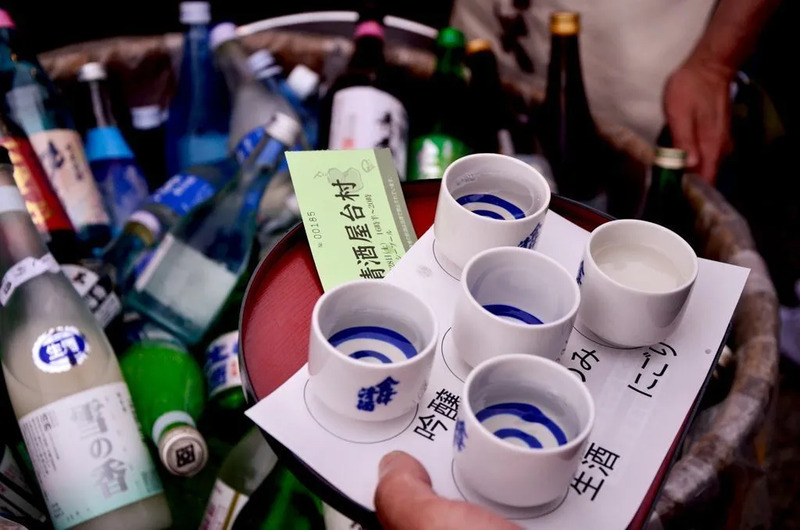
Photo by the Fukushima Tourism & Local Products Association
Sake is a traditional Japanese alcoholic beverage brewed from rice, water, and koji (an ingredient particular to Japan that uses koji mold to promote fermentation). In 2024, traditional sake-making was inscribed on UNESCO’s Intangible Cultural Heritage list, solidifying sake as a cultural practice celebrated around the world.
At the Annual Japan Sake Awards, the nation’s most prestigious sake competition, Fukushima Prefecture has earned the most gold medals on 12 separate occasions. In the 2024 Awards, Fukushima had the most gold medals again for the first time in three years. Characterized by its use of high-quality soft water nurtured in abundant nature and locally grown rice, Fukushima sake has a fruity, elegant aroma and a refined taste that highlights the inherent sweetness and umami of rice.
Many breweries in Fukushima produce limited-edition sakes that are only available locally, so there are sakes that one can only find by visiting the brewery. Experiences of savoring one of these sakes with regional cuisine will surely create moments deeply etched in one’s memory of the trip. The experience of visiting breweries for tastings has been highly regarded by travelers worldwide as a cultural experience that transcends mere dining.
At the Annual Japan Sake Awards, the nation’s most prestigious sake competition, Fukushima Prefecture has earned the most gold medals on 12 separate occasions. In the 2024 Awards, Fukushima had the most gold medals again for the first time in three years. Characterized by its use of high-quality soft water nurtured in abundant nature and locally grown rice, Fukushima sake has a fruity, elegant aroma and a refined taste that highlights the inherent sweetness and umami of rice.
Many breweries in Fukushima produce limited-edition sakes that are only available locally, so there are sakes that one can only find by visiting the brewery. Experiences of savoring one of these sakes with regional cuisine will surely create moments deeply etched in one’s memory of the trip. The experience of visiting breweries for tastings has been highly regarded by travelers worldwide as a cultural experience that transcends mere dining.
Travel to Fukushima by Shinkansen. Tickets can be conveniently purchased online (JR EAST Train Reservation) from overseas and within Japan.
JR-EAST Train Reservation is a reservation website for Eastern Japan area passes and tickets.


Welcome Suica Mobile makes travel in Japan even easier
The Welcome Suica Mobile app for iOS allows users to issue and top-up Suica.
Suica is a prepaid form of electronic money that can be for trains, buses, shopping and more!
Suica is a prepaid form of electronic money that can be for trains, buses, shopping and more!