

更新日: 2025年12月02日
Nikko Day Trip from Tokyo!
Discover a convenient day trip from Shinjuku or Ikebukuro to the World Heritage Site “Shrines and Temples of Nikko” by train.
1. Travel from Tokyo to Nikko
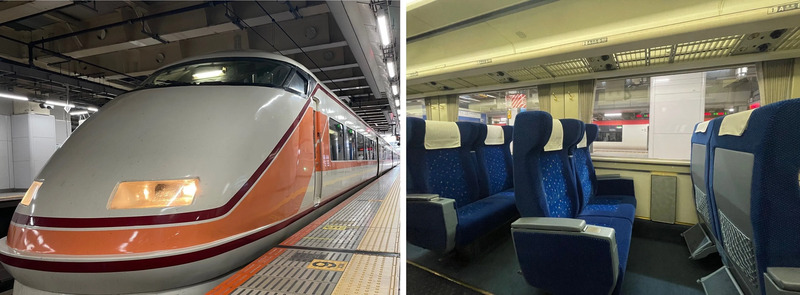
Limited express 'Spacia Nikko No. 1' departing Shinjuku Station at 9:34
Did you know you can reach Nikko directly from Shinjuku or Ikebukuro without changing trains? The World Heritage Site “Shrines and Temples of Nikko,” located in Tochigi Prefecture, was registered in 1999 and has since gained global recognition for its cultural value.
Hop aboard the Limited Express “Spacia Nikko,” shown in the image, and enjoy a comfortable ride to this historic destination.Here is a recommended route introduce a wonderful sightseeing route to explore Nikko’s sacred sites.
2. Arrival at Nikko Station
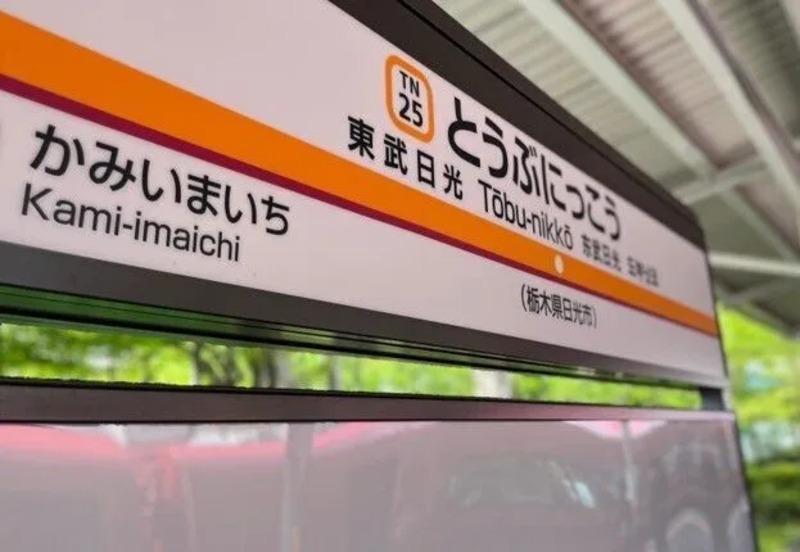
The train ride from Shinjuku to Nikko Station takes about two hours. The station area is lively with shops and a bus rotary welcoming many tourists.
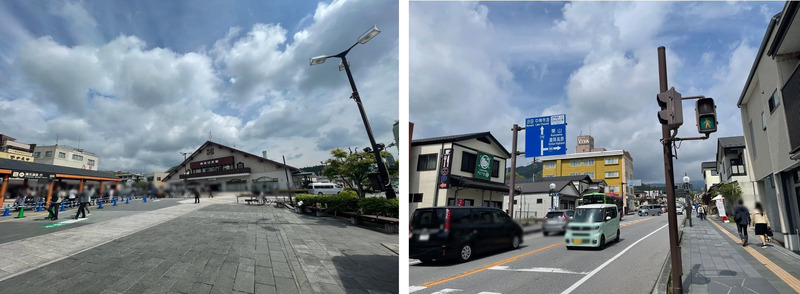
A 20-minute walk from the station brings you to the first sightseeing spot: Shinkyo Bridge, a stunning red bridge.
3. First Spot: Shinkyo Bridge
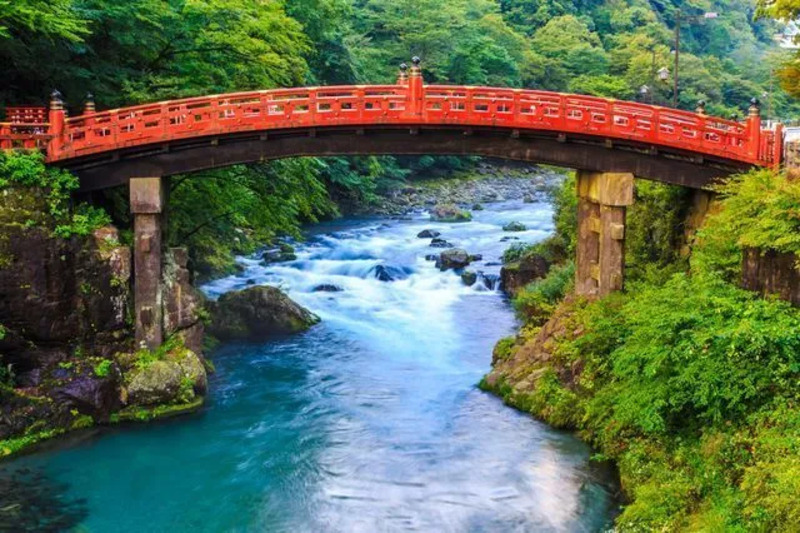
Shinkyo Bridge is a beautiful wooden structure that marks the entrance to the World Heritage Site “Shrines and Temples of Nikko.” At night, it is illuminated, creating a magical atmosphere—truly a fitting gateway to sacred Nikko.
For more details, please visit the official website.

4. Entering the World Heritage Site
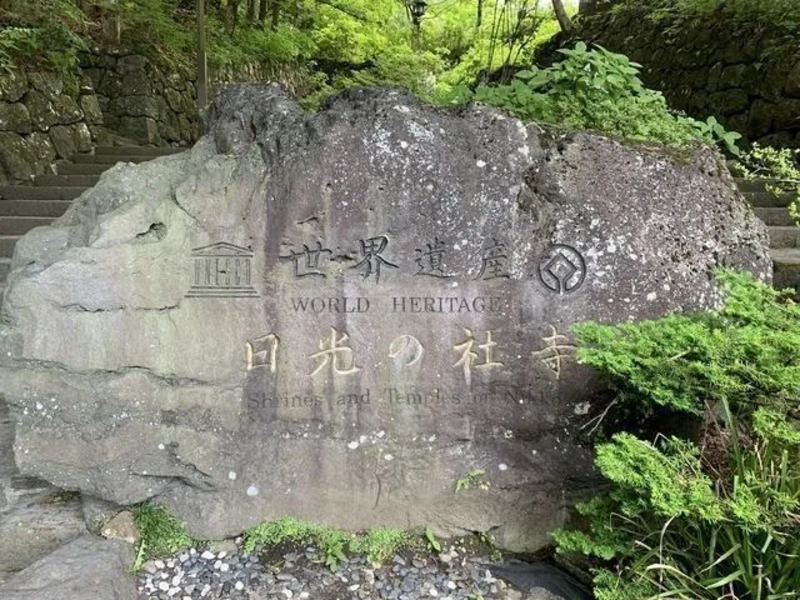
To be designated a World Heritage Site, certain criteria must be met. The “Shrines and Temples of Nikko” have fulfilled these requirements.
(i)
to represent a masterpiece of human creative genius;
(iv)
to be an outstanding example of a type of building, architectural or technological ensemble or landscape which illustrates (a) significant stage(s) in human history;
(vi)
to be directly or tangibly associated with events or living traditions, with ideas, or with beliefs, with artistic and literary works of outstanding universal significance. (The Committee considers that this criterion should preferably be used in conjunction with other criteria);参照元:https://whc.unesco.org/en/criteria/
The three main components—Nikko Futarasan-jinja Shrine, Nikko Toshogu Shrine, and Nikkosan Rinnoji Temple—are located close to each other, making it easy to explore them on foot.
Following the route, you’ll arrive at the second spot: Nikkosan Rinnoji Temple.
Following the route, you’ll arrive at the second spot: Nikkosan Rinnoji Temple.
5. Second Spot: Nikkosan Rinnoji Temple
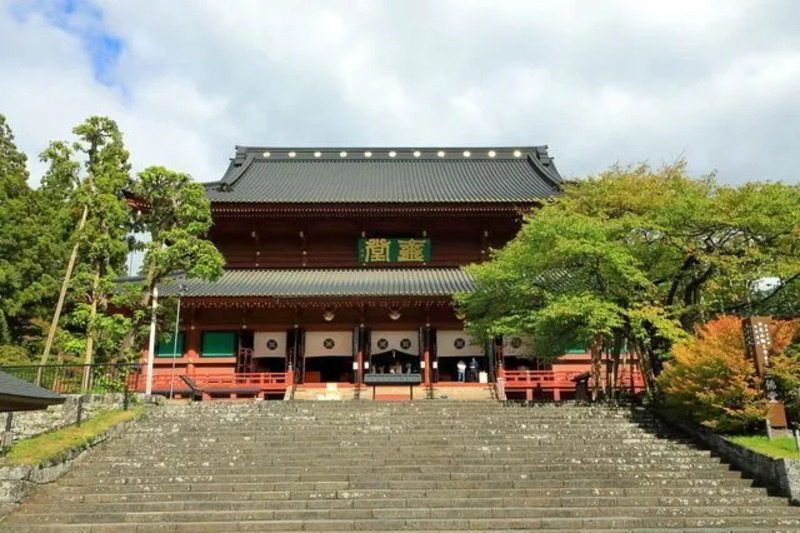
Nikkosan Rinnoji Temple is said to have been founded over 1,200 years ago by the monk Shodo Shonin. It once oversaw all temples and shrines in Nikko.
The highlight is the Sanbutsudo Hall, the largest building among Nikko’s religious sites. Inside are three revered statues: Senju Kannon, Amida Nyorai, and Bato Kannon.
The scale of the Sanbutsudo Hall is truly impressive. In front of the hall stands a cherry tree estimated to be 500 years old, designated a natural monument.
For more details, please visit the official website.
The highlight is the Sanbutsudo Hall, the largest building among Nikko’s religious sites. Inside are three revered statues: Senju Kannon, Amida Nyorai, and Bato Kannon.
The scale of the Sanbutsudo Hall is truly impressive. In front of the hall stands a cherry tree estimated to be 500 years old, designated a natural monument.
For more details, please visit the official website.
6. Third Spot: Nikko Toshogu Shrine
Next, head to Nikko Toshogu Shrine from Rinnoji Temple. At the end of a wide approach, you’ll find a stone monument engraved with “Toshogu.”
Built in 1617, Toshogu Shrine enshrines Tokugawa Ieyasu, the founder of the Tokugawa shogunate. The grounds contain 55 buildings, including 8 National Treasures and 34 Important Cultural Properties.
The highlight is the Yomeimon Gate, a masterpiece of Edo-period decorative craftsmanship. It’s said that one could gaze at it all day without getting bored—its beauty is truly captivating.
We highly recommend seeing Toshogu Shrine with your own eyes.
For more details, please visit the official website.
Built in 1617, Toshogu Shrine enshrines Tokugawa Ieyasu, the founder of the Tokugawa shogunate. The grounds contain 55 buildings, including 8 National Treasures and 34 Important Cultural Properties.
The highlight is the Yomeimon Gate, a masterpiece of Edo-period decorative craftsmanship. It’s said that one could gaze at it all day without getting bored—its beauty is truly captivating.
We highly recommend seeing Toshogu Shrine with your own eyes.
For more details, please visit the official website.
7. Final Spot: Nikko Futarasan-jinja Shrine
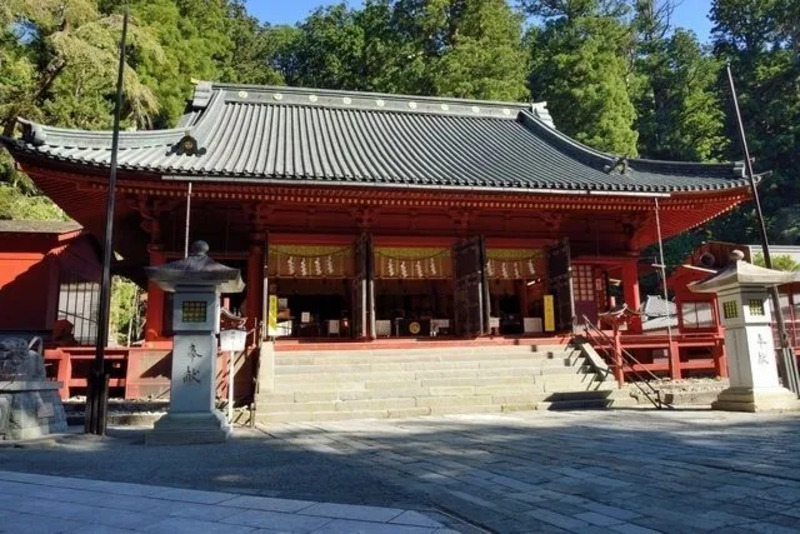
Lastly, visit Nikko Futarasan-jinja Shrine, considered the origin of Nikko’s spiritual tradition. It enshrines Mount Nantai (also known as Futarasan) as its sacred object.
The shrine’s grounds span a vast 3,400 hectares, encompassing the Nikko mountain range, Kegon Falls, and Irohazaka Road.
Upon entering the grounds, you’ll feel a refreshing and solemn atmosphere.
For more details, please visit the official website.
The shrine’s grounds span a vast 3,400 hectares, encompassing the Nikko mountain range, Kegon Falls, and Irohazaka Road.
Upon entering the grounds, you’ll feel a refreshing and solemn atmosphere.
For more details, please visit the official website.
8. Getting to Nikko: Spacia Nikko & Nikko Trains
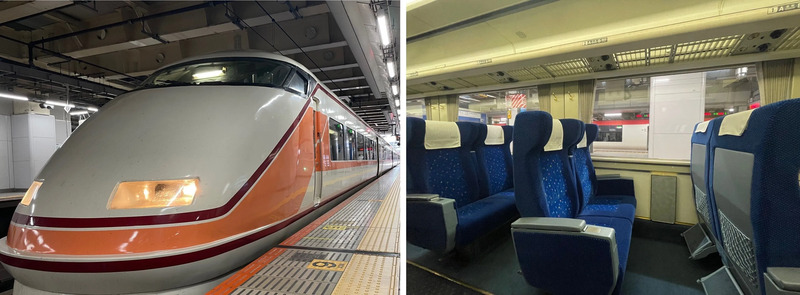
Limited Express 'Spacia Nikko'
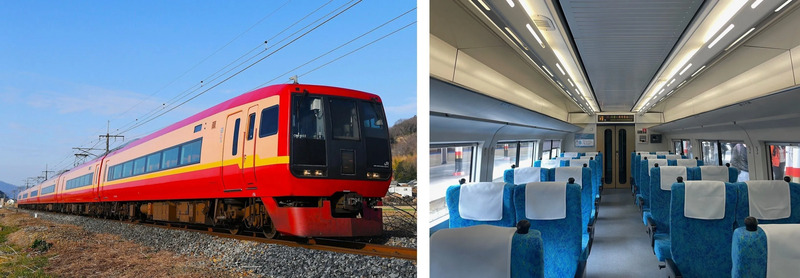
The limited express 'Nikko' operates during the peak travel seasons.
The “Spacia Nikko” and seasonal “Nikko” trains offer direct access from Shinjuku and Ikebukuro to Nikko without transfers—perfect for sightseeing.
JR East also offers travel passes that make exploring the Eastern Japan area, including Nikko, more convenient.
For more details, please visit the official website.
JR East also offers travel passes that make exploring the Eastern Japan area, including Nikko, more convenient.
For more details, please visit the official website.
With direct train access and rich cultural heritage, Nikko is a perfect day trip from Tokyo. Don’t miss the chance to explore it!
*The information is current as of November 2025.