

更新日: 2025年09月29日
A Railway Journey Through History and Spectacular Scenery
From samurai legends to sacred mountains and beautiful coastlines, embark on a rail journey to connect with the spirit and soul of south Tohoku using the JR EAST PASS.
Discover Southern Tohoku with the 10-Day JR EAST PASS
When most travelers think of Japan, it is the bustling streets of Tokyo, the shrines of Kyoto, or the neon lights of Osaka that come to mind. But head up to the northern reaches, and you’ll uncover an entirely different side of the country.
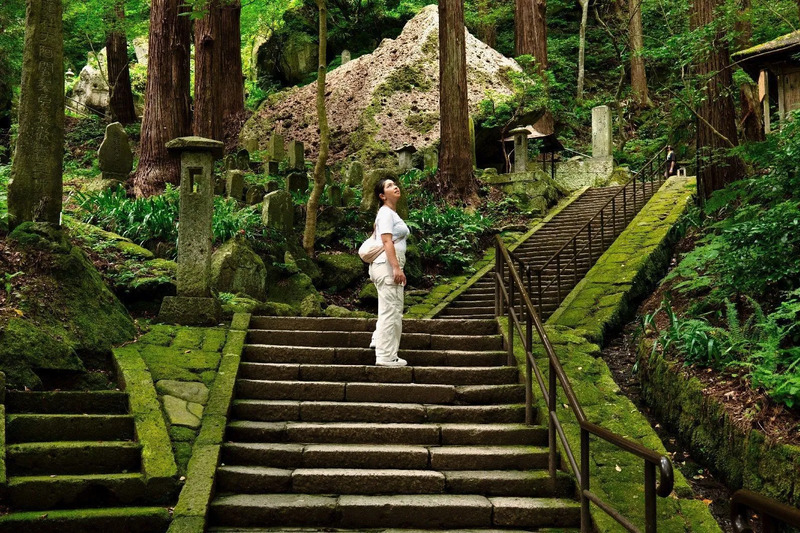
Welcome to Tohoku: a land of vast skies, dramatic mountains, rich gastronomy, and traditions that have been quietly preserved for centuries.
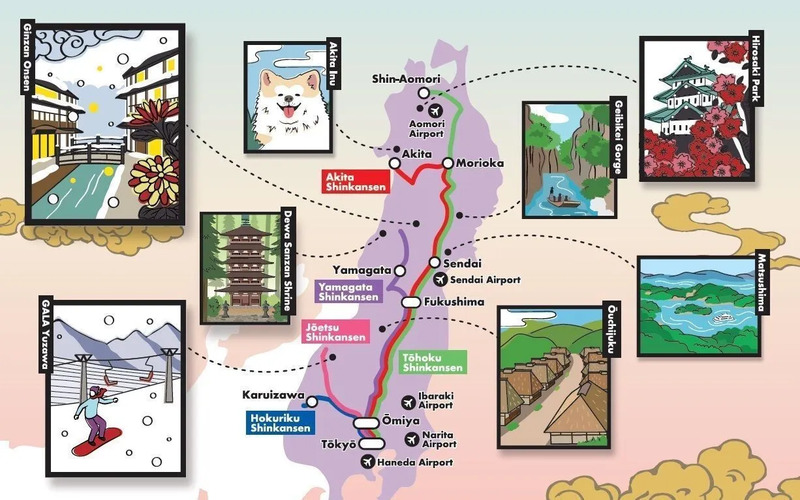
The JR EAST PASS (Tohoku area) makes exploring the region simple and stress-free. With it, you get unlimited travel on JR East trains, including the shinkansen and local lines, along with select partner lines and buses.
This pass gives you the flexibility to change your plans and make spontaneous stops, highlighting its incredible mobility. To put the value in perspective, the price is just about the same as a single round-trip from Tokyo to a major Tohoku city like Akita or Aomori. But instead of just one destination, you can explore the entire region over ten consecutive days for a flat fee, giving you the freedom to see what Tohoku has to offer.
This pass gives you the flexibility to change your plans and make spontaneous stops, highlighting its incredible mobility. To put the value in perspective, the price is just about the same as a single round-trip from Tokyo to a major Tohoku city like Akita or Aomori. But instead of just one destination, you can explore the entire region over ten consecutive days for a flat fee, giving you the freedom to see what Tohoku has to offer.


Tohoku is a place where the land itself shapes daily life. Fertile fields and pure mountain water produce some of Japan’s most celebrated rice and sake. Small farming villages sit nestled between rolling hills, while historic towns preserve the stories of samurai, merchants, and monks. The seasons transform the scenery: cherry blossoms in spring, lush greenery in summer abundant with fruits, vibrant foliage and golden rice fields in autumn, and heavy snow in winter; the reason Tohoku is famously known as “snow country.”

Get inspired by this sample itinerary of southern Tohoku
This sample 10-day itinerary of southern Tohoku highlights the diverse offerings of the region while encouraging “active slow travel.”
Day 1: Begin Your Journey into Tohoku in Charming Aizu-Wakamatsu, Fukushima
Day 2: Take a Scenic Journey on the Breathtaking Tadami Line
Day 3: Savor Wagyu and Samurai Legends in Yonezawa, Yamagata
Day 4: Soar the Skies and Interact with Locals in Nanyo, Yamagata
Day 5: Discover Merchant Towns and Sacred Trails in Sakata & Tsuruoka, Yamagata
Day 6: Explore the Sacred Forests of Dewa Sanzan, Yamagata
Day 7: Cruise the Mogami River and Sip Sake in Yamagata City
Day 8: Climb a Thousand Steps at Yamadera and Ride a Joyful Train
Day 9: Enjoy an Island Cruise and Make Prayer Beads in Scenic Matsushima, Miyagi
Day 10: Toast to Tohoku with Sendai’s Finest Drinks
Day 2: Take a Scenic Journey on the Breathtaking Tadami Line
Day 3: Savor Wagyu and Samurai Legends in Yonezawa, Yamagata
Day 4: Soar the Skies and Interact with Locals in Nanyo, Yamagata
Day 5: Discover Merchant Towns and Sacred Trails in Sakata & Tsuruoka, Yamagata
Day 6: Explore the Sacred Forests of Dewa Sanzan, Yamagata
Day 7: Cruise the Mogami River and Sip Sake in Yamagata City
Day 8: Climb a Thousand Steps at Yamadera and Ride a Joyful Train
Day 9: Enjoy an Island Cruise and Make Prayer Beads in Scenic Matsushima, Miyagi
Day 10: Toast to Tohoku with Sendai’s Finest Drinks
It offers a slow-paced way to experience Japan, inviting you to be intentional with each stop. You might hike through cedar forests, cruise down scenic rivers, or even take to the skies paragliding, all while leaving space to pause, connect, and fully take in each moment. From castle towns such as Aizu-Wakamatsu with scenic rides on the Tadami Line, to sacred pilgrim trails in Yamagata and the coastal beauty of Matsushima leading to the lively streets of Sendai, this journey packs in a surprising variety.

And because the pass allows you to mix and match destinations, it’s easy to tailor your adventure to your own interests. Whether that means more hiking, more history, or more food stops along the way, Tohoku has something for anyone who wants to step off the beaten path in Japan.
Day 1: Begin Your Journey into Tohoku in Charming Aizu-Wakamatsu, Fukushima
Start your journey by boarding the shinkansen from Tokyo to Koriyama, and ride the local train to the historic “samurai city” of Aizu-Wakamatsu. Tucked away in the western part of Fukushima, Aizu-Wakamatsu is a castle town that was once home to the proud samurai of the Aizu Domain. From the grandeur of its iconic castle to quiet teahouses and retro shops in well-preserved Japanese storehouses called kura, the city will initiate you into the depths of Tohoku’s culture.And if you’re visiting in summer, don’t miss the chance to taste Fukushima’s famous peaches.

Tsuruga Castle is the heart of Aizu-Wakamatsu. Once the seat of the Aizu lords and a symbol of resilience, today its graceful white walls and crimson-tiled roof tower over the town.
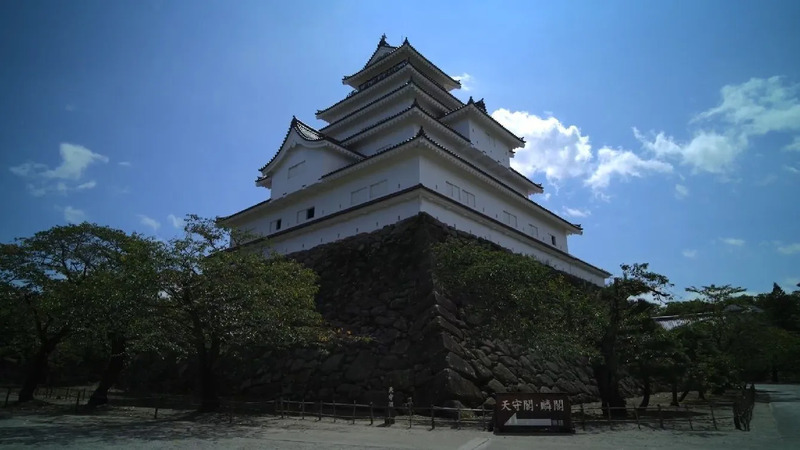
Photo by "Tohoku Tourism Promotion Organization”
Walking through its grounds, you’ll find yourself immersed in centuries of history, with views from the top that stretch across the Aizu basin.
Within the castle grounds stands Rinkaku, a historic teahouse built by one of the Aizu lords to popularize tea ceremony in the region. After the castle was dismantled in the Meiji era (1868-1912), the teahouse was preserved and later reconstructed in its original location. Today, visitors can sit on tatami mats, enjoy a bowl of matcha while looking out at the garden, and experience the calm elegance of tea culture that was once an important part of samurai life.
If time allows, take the Haikara bus to Sazae-do, a rare wooden Buddhist temple with a double-helix staircase.
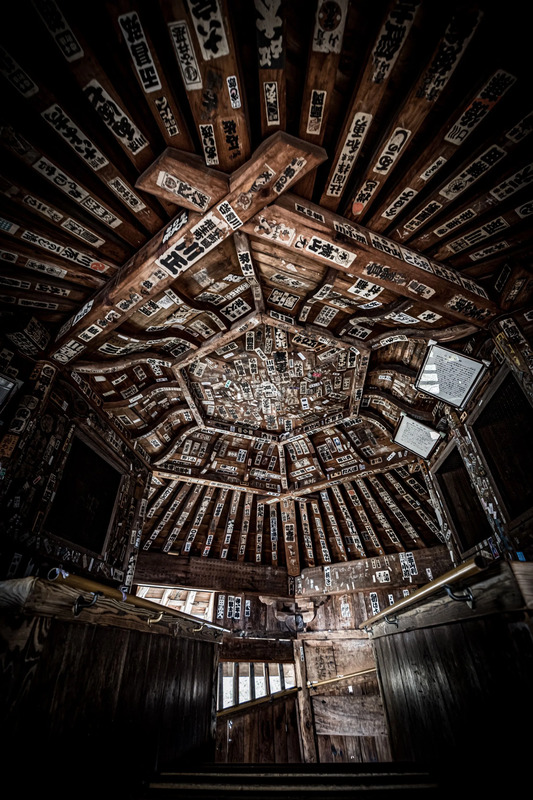
Photo by "TRAVEL TO TOHOKU - The official tourism website of Tohoku, Japan"
It’s a small but unforgettable architectural wonder.
Day 2: Take a Scenic Journey on the Breathtaking Tadami Line
Few train rides capture the spirit of rural Japan as beautifully as the Tadami Line. Stretching between Aizu-Wakamatsu in Fukushima and Koide in Niigata, this 135-kilometer local line winds through remote valleys, over steel bridges, and past tiny mountain villages.
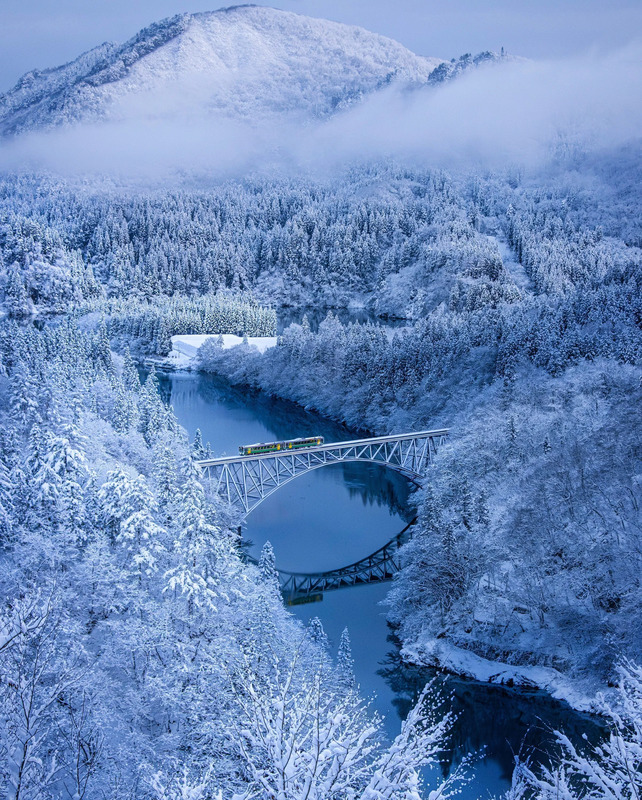
Photo by "TRAVEL TO TOHOKU - The official tourism website of Tohoku, Japan"
This journey can be enjoyed all year round, as the scenery dramatically changes with the seasons. In autumn, vibrant foliage blankets the valley overlooking the golden rice fields like nowhere else in the world. Winter turns the landscape into a snow-draped wonderland, where the train looks as if it’s floating through white silence. Spring brings blossoms along the riverside, while summer mornings are often veiled in soft mountain mist. No matter the time of year, the views feel timeless.
The most iconic view can be found at the Michi-no-Eki Oze Kaidō Mishima-juku, a roadside station perched above the Tadami River. From here, you can see the Tadami Line train cross the First Tadami River Bridge, framed by mountains and mirrored in the river below. It’s one of Japan’s most photographed railway scenes, and standing there in person feels like stepping into a living postcard.

Photo by "Fukushima Travel - The official tourism website of Fukushima, Japan"
The Tadami Line is more than a train ride; it’s a glimpse into the slower rhythms of Japan’s countryside. Watching the train weave through mountains and across rivers reminds you that the journey itself can be just as important as the destination.
Day 3: Savor Wagyu and Samurai Legends in Yonezawa, Yamagata
Yonezawa is a city where history and flavor come together. Once a stronghold of the powerful Uesugi clan, it’s also the birthplace of Yonezawa-gyu, one of Japan’s most celebrated wagyu beef brands. Known for its fine marbling and melt-in-your-mouth tenderness, Yonezawa beef is enjoyed in a variety of ways: sizzling steak, sukiyaki (thinly sliced beef simmered with vegetables and a raw egg in sweet soy broth), shabu-shabu (lightly swished in hot broth), or gyudon (seasoned beef served over a bowl of rice). Here, visitors can explore samurai history at sites like Uesugi Jinja Shrine and the Yonezawa Castle ruins and then enjoy a meal featuring the city’s famous wagyu beef, connecting the past with the flavors of today.
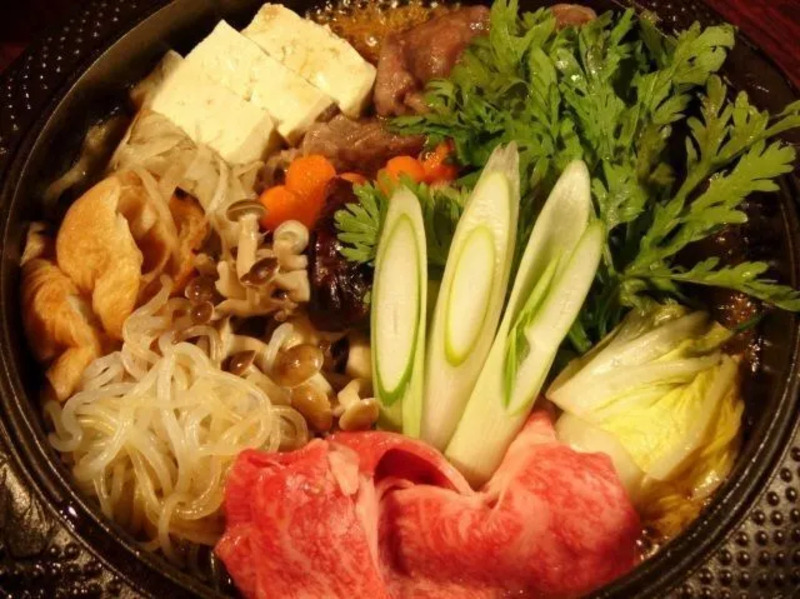
Photo by "TRAVEL TO TOHOKU - The official tourism website of Tohoku, Japan"
Yonezawa is about savoring contrasts: the discipline of samurai leadership and the indulgence of wagyu beef and sake. From here, the route continues into Nanyō, as the itinerary ramps up for some more uplifting (literally) activities that can also test your endurance. Hope you’re fueled up by Yonezawa’s cuisine!
Built on the grounds of Yonezawa Castle, Uesugi Jinja Shrine honors the great feudal lord, Uesugi Kenshin.
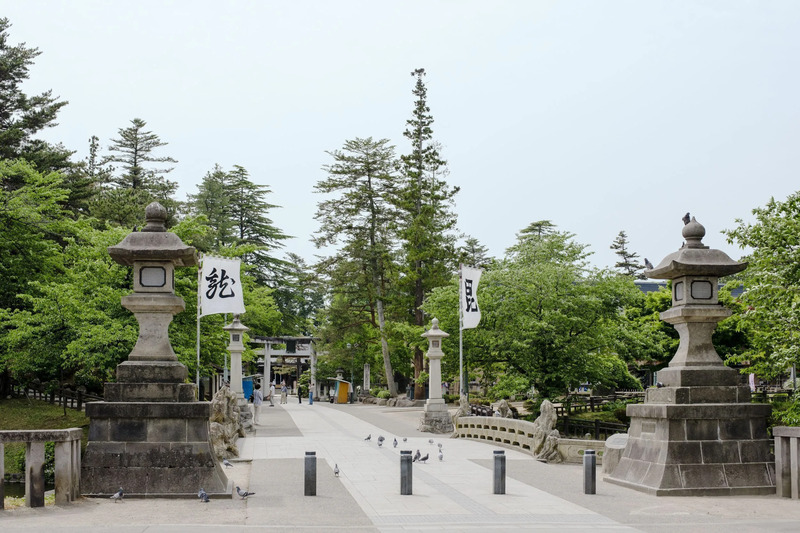
Photo by "TRAVEL TO TOHOKU - The official tourism website of Tohoku, Japan"
The surrounding Matsugasaki Park is especially beautiful in spring, when its moats and stone walls are framed by cherry blossoms. Strolling through the shrine precincts, you’ll feel the weight of history in a setting that still exudes quiet dignity.
Just a short walk away, Toko Sake Brewery opens a window into another cornerstone of Yonezawa’s identity. Founded in the 16th century, it produces sake admired for its clean, refined taste; a result of pure local water and rice nurtured by Yamagata’s fertile lands. Sample their creations during a tour of the brewery, or try some alongside the prized local wagyu at one of the many eateries in town.
Day 4: Soar the Skies and Interact with Locals in Nanyo, Yamagata
Nestled between mountains and rice fields, Nanyo in southern Yamagata offers a mix of adventure, spirituality, and community spirit. The city is best known for Akayu Onsen, a historic hot spring town near the station where you can soak in mineral-rich waters said to ease fatigue. You can take to the skies paragliding over the hills, walk through the revered Kumano Taisha Shrine, and warm up with Akayu ramen, known for its spicy miso paste that you stir into the broth as you eat, that adds a new depth of flavor to a hearty Japanese dish.
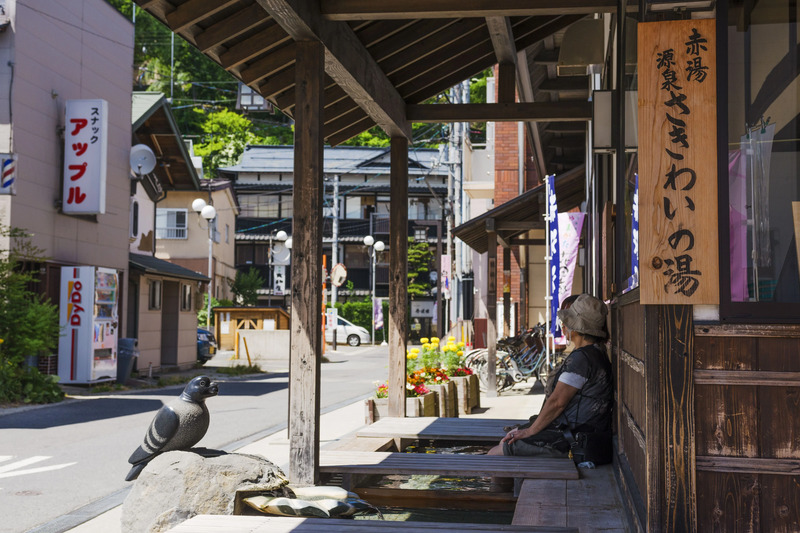
Photo by "STAY YAMAGATA - The official tourism website of Yamagata, Japan"
The hillsides in this region are lined with grape farms, and you’ll find wineries producing everything from crisp whites to natural wines. You can stroll through vineyards, sample wines where they’re made, or sip fresh seasonal grape juice for a delicious way to connect with the region’s people and their proud harvest.
Nanyo is a place of contrasts: thrilling flights above the clouds, serene shrine traditions, and a modern community rooted in historic buildings. It’s a reminder that Tohoku’s spirit is both grounded in history and soaring toward the future.
Nanyo is a place of contrasts: thrilling flights above the clouds, serene shrine traditions, and a modern community rooted in historic buildings. It’s a reminder that Tohoku’s spirit is both grounded in history and soaring toward the future.
At Nanyo Sky Park, adventure begins in the sky. Visitors are picked up at JR Akayu Station and welcomed by Makoto Kanai, who has been paragliding for decades and founded Soaring Systems over 30 years ago. Having traveled the world as a paraglider, Kanai speaks English well and offers not only tandem flights but also courses for those working toward their paraglider’s license.
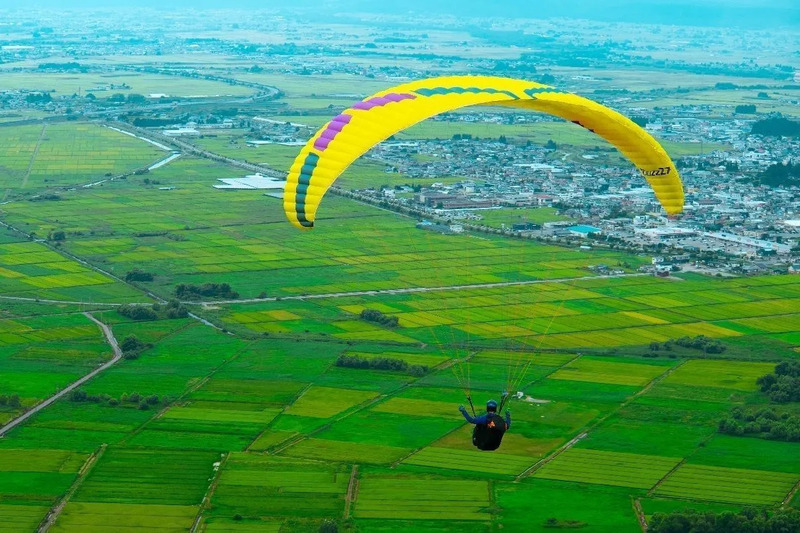
With about 200 days of ideal conditions each year, this is one of Japan’s best paragliding spots. Autumn is especially breathtaking when you can glide over the sea of clouds – called unkai in Japanese – and golden rice fields, while winter flights reveal snow-covered villages and peaks. Remarkably, Soaring Systems is also the only commercial operator in Japan offering wheelchair-friendly paragliding, making this adventure barrier-free and accessible to more people.
Next, step into the sacred grounds of Kumano Taisha Shrine, with towering cedar trees, a thickly thatched roof, and centuries-old torii gates. It enshrines the musubi no kami: the source of life itself, a power believed to create and nurture all living things. Local legend says that couples who can find the three hidden rabbit carvings in the main hall will be blessed with good fortune.
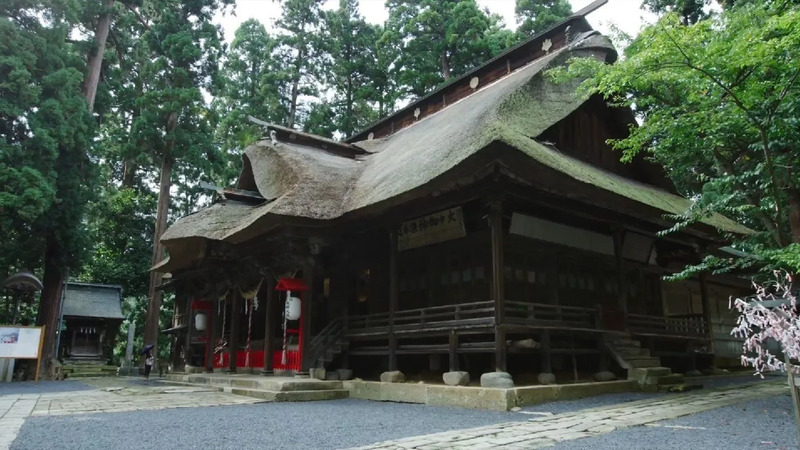
Photo by "Tohoku Tourism Promotion Organization”
In autumn, the shrine hosts a flower art exhibition where fresh seasonal flowers, including chrysanthemums, are arranged into large, intricate displays throughout the shrine grounds and along the approach.
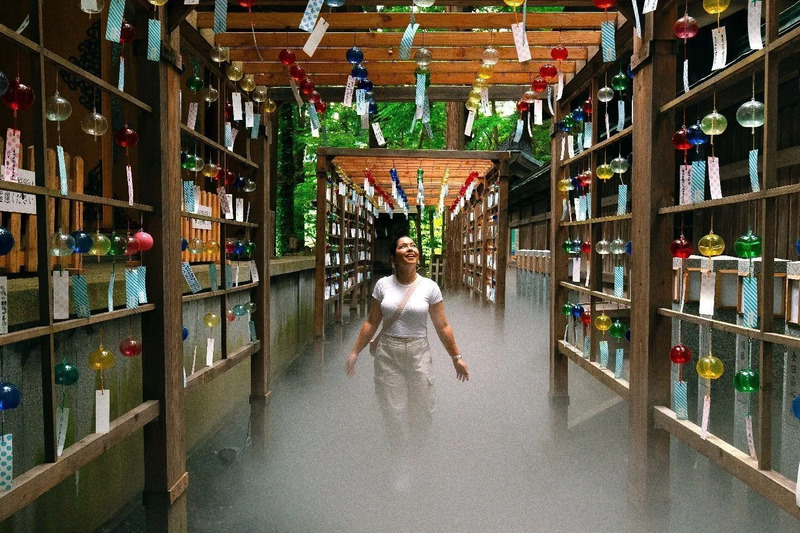
Many are designed with seasonal or cultural motifs, transforming the entire site into a colorful and fragrant space that highlights the region’s tradition of flower cultivation and the chrysanthemum’s role as a symbol of longevity and autumn in Japan.
(Links are in Japanese only)
The day ends at Tsurunoko, a vibrant community hub that blends Yamagata’s history with modern creativity. This project was brought to life by Masaki Takahashi, a passionate and visionary craftsman who also runs a woodworking company. With his team’s skill and dedication, he transformed an old post office and sake brewery into a lively, beautifully designed gathering place. His pride in the space is clear, not only in the craftsmanship, but in the warm, welcoming people he has brought together under its roof, embodying the very best of Yamagata hospitality.
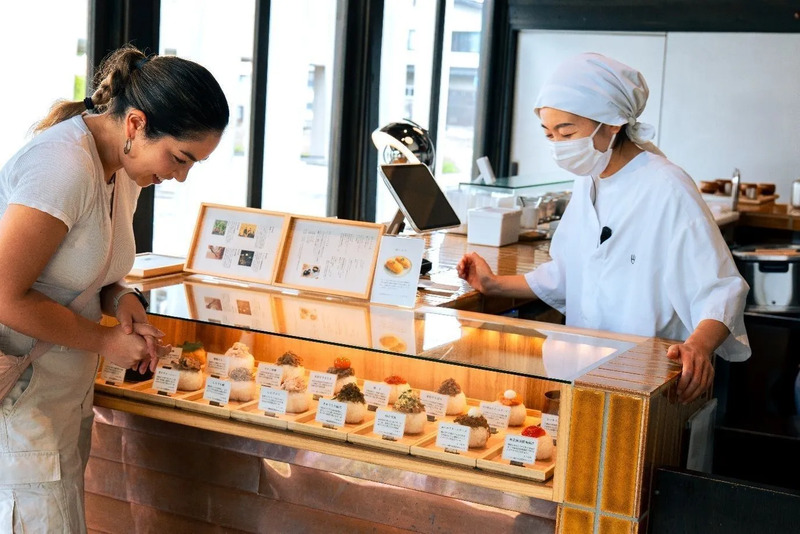
Inside, you’ll find shops and cafes run by local entrepreneurs: a bakery, a nail salon, a vintage store, and even a cat-themed book café. One of its highlights is the matcha teahouse Seikaiha, run by Manami Saitou, a tea professional who has traveled the globe teaching Japanese tea culture. Her teahouse inside the kura storehouse is lined with seasonal tea bowls and carefully selected sweets, perfectly paired with each serving.
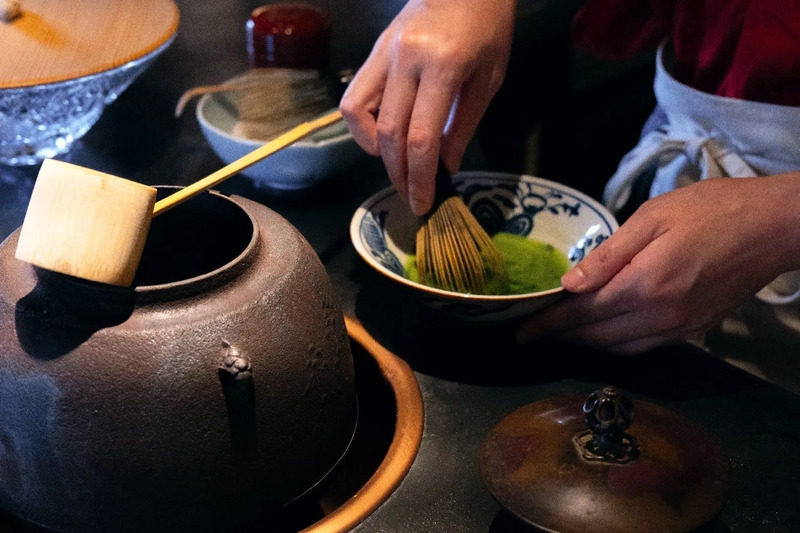
From traditional bowls of matcha to modern hojicha lattes that shift with the seasons, her drinks reflect both mastery and a playful creativity. Step into the onigiri rice ball shop, Yamasai, for a selection of fresh rice balls you won’t find in convenience stores. With choices ranging from local classics like mountain vegetables, beef, egg, and miso to creative combinations like cream cheese and cod roe, the sheer variety will have you happily debating which to try first, and each bite pairs bold flavors with freshly cooked local rice for a taste that’s unique to Yamagata. Tsurunoko proves to be more than a shopping stop: it’s a place where tradition, innovation, and community spirit meet, leaving visitors with a genuine taste of everyday life in Yamagata.
Day 5: Discover Merchant Towns and Sacred Trails in Sakata & Tsuruoka, Yamagata
In the Shonai region of western Yamagata, you’ll find a mix of coastal culture and mountain faith. Sakata grew prosperous as a port city with merchant families shaping its history, while nearby Tsuruoka is home to the sacred Dewa Sanzan mountains. Walking the moss-covered stone paths through towering cedar forests is a form of active slow travel: each step drawing you further from screens, schedules, and everyday noise. As you climb and slow your pace, take in the quiet of the forest and the shrines hidden deep in the mountains.
From merchant mansions in Sakata to pilgrim lodging on Mt. Haguro, Shonai blends coastal culture with mountain faith. For those seeking to take on multi-day treks across the Dewa Sanzan, this is just the beginning, with trails leading onward to Mt. Gassan and Mt. Yudono.
From merchant mansions in Sakata to pilgrim lodging on Mt. Haguro, Shonai blends coastal culture with mountain faith. For those seeking to take on multi-day treks across the Dewa Sanzan, this is just the beginning, with trails leading onward to Mt. Gassan and Mt. Yudono.
Begin in Sakata at the Honma Art Museum, a former villa and garden of the Honma merchant family, once the wealthiest landowners in Japan. The residence bridges Japanese and Western influences, with tatami rooms, rare artifacts, and pristine gardens that reflect the cosmopolitan culture of Sakata’s heyday as a port city.
From the coast, journey toward the network of pilgrimage trails that spread across the sacred Dewa Sanzan: Mt. Haguro, Mt. Gassan, and Mt. Yudono. For over 1,400 years, pilgrims including yamabushi, or mountain priests known for their ascetic training, have come here seeking enlightenment, walking a spiritual journey known as the “pilgrimage of rebirth.” Each mountain represents a stage of life: Haguro the present, Gassan the past and afterlife, and Yudono the future and rebirth. These paths are more than hikes; they are journeys of discovery, lined with mossy stone steps, towering cedars, and shrines both small and grand.
One highlight is the five-story pagoda of Mt. Haguro, a 29-meter-tall structure with beautiful wooden tiers that stand out against the deep green cedars surrounding it.
A designated National Treasure, this pagoda built over 600 years ago is one of the few temple buildings that survived the Meiji-era separation of Shinto and Buddhism, when many Buddhist structures were destroyed or converted into Shinto shrines. Walking the cedar-lined approach, with sacred air all around, connects visitors to centuries of devotion and the enduring spiritual history of these mountains.
Hike up Mt. Haguro to Saikan, a 350-year-old temple lodging that has stood the test of time. Unlike a ryokan, Saikan is a humble inn for pilgrims, offering shukubo (temple stay) experiences and shojin ryori, the traditional cuisine of Buddhist monks. Meals are crafted with local mountain vegetables and seasonal ingredients such as bamboo shoots from Mt. Gassan and goma-dofu (sesame tofu) made fresh daily. Although often described as vegetarian, Saikan’s meals typically include bonito-based dashi and flakes, so travelers seeking a fully vegetarian experience should request it in advance. One symbolic fish dish is included only at dinner, after evening prayers, as an offering.
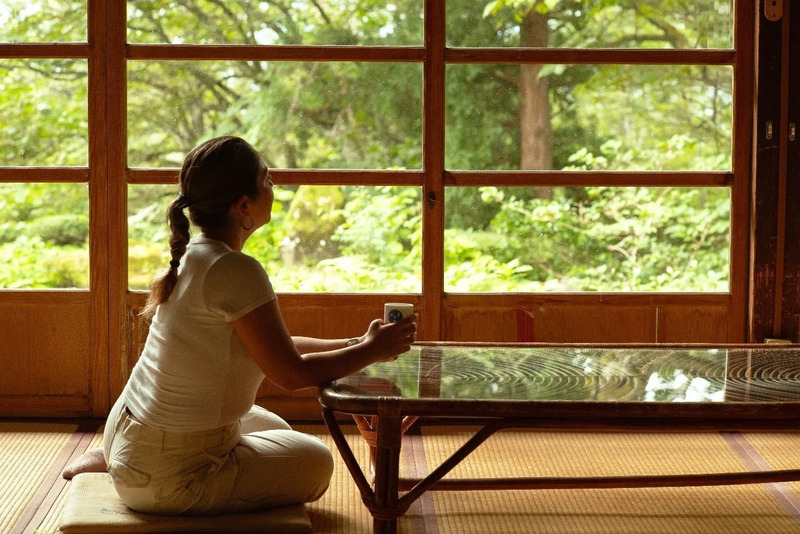
Shojin ryori is closely tied to washoku, or traditional Japanese cuisine, which was inscribed on the UNESCO Representative List of the Intangible Cultural Heritage of Humanity in 2013. This designation recognizes washoku as a practice that honors nature, seasonality, and the rhythm of annual traditions.
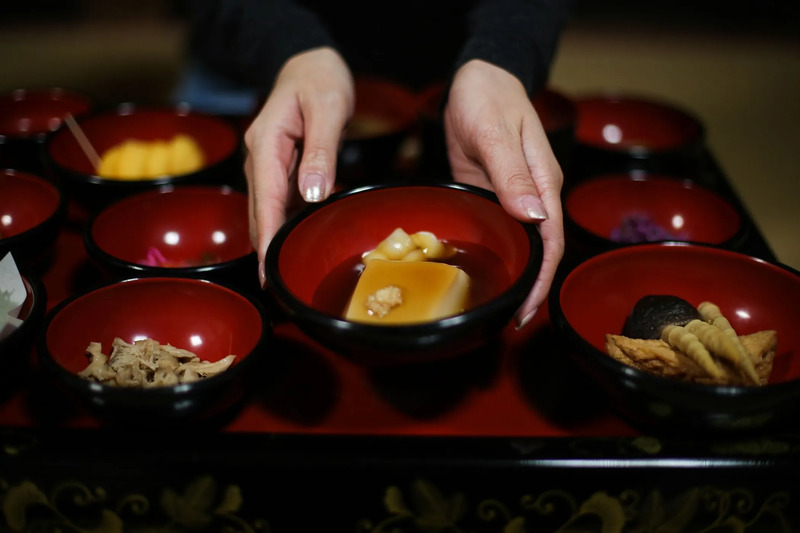
Photo by "STAY YAMAGATA - The official tourism website of Yamagata, Japan"
Shojin ryori reflects these same values, offering meals that nourish both body and spirit. Tsuruoka was named a UNESCO Creative City of Gastronomy in 2014 for its commitment to preserving and sharing these food traditions. As the Head Chef of Saikan, Shinkichi Ito, explains, “A stay at Saikan is about simplicity. Please come not for luxury, but to step away from phones, work, and everyday busyness. Here you can slow down, be surrounded by nature, and enjoy its simple, natural offerings.”
Day 6: Explore the Sacred Forests of Dewa Sanzan, Yamagata
Saikan connects directly to the Dewa Sanzan Shrine through a corridor, allowing visitors to request inclusion in the asagongyō, the morning prayers. After an overnight stay, you can join the priests at 7:00. for this solemn ritual, which is a rare chance to experience the living spiritual traditions of the mountain firsthand. Since Mt. Haguro is accessible year-round, all three mountain deities (kami) are enshrined here, making it possible to worship even when Mt. Gassan and Mt. Yudono are closed for the winter. After joining the asagongyō prayer or enjoying a quiet walk, take time to explore Dewa Sanzan Shrine at the summit, as well as some of the hikes that surround the mountain. This is a day for slowing down, soaking in the sacred atmosphere, and appreciating the year-round accessibility of this spiritual site.
Start the morning with a visit to the Dewa Sanzan Shrine at the summit of Mt. Haguro. Here, all three mountain deities are enshrined together, making it the spiritual heart of the pilgrimage and a rare place where worship is possible year-round. This is unlike the other two sacred mountains, which are closed during the snowy winter months. Take time to admire the shrine’s thatched main hall and the peaceful cedar forest that surrounds it.
Next, choose your own adventure by either slowing down or going deeper. You might set out on one of the many trails that branch out from Mt. Haguro, such as the rugged route toward Mt. Gassan (open in summer and early autumn) or shorter walks to hidden shrines scattered across the area. These paths reward hikers with quiet moments of discovery: such as moss-covered stone lanterns, small wayside statues, quaint teahouses and sweeping mountain views.
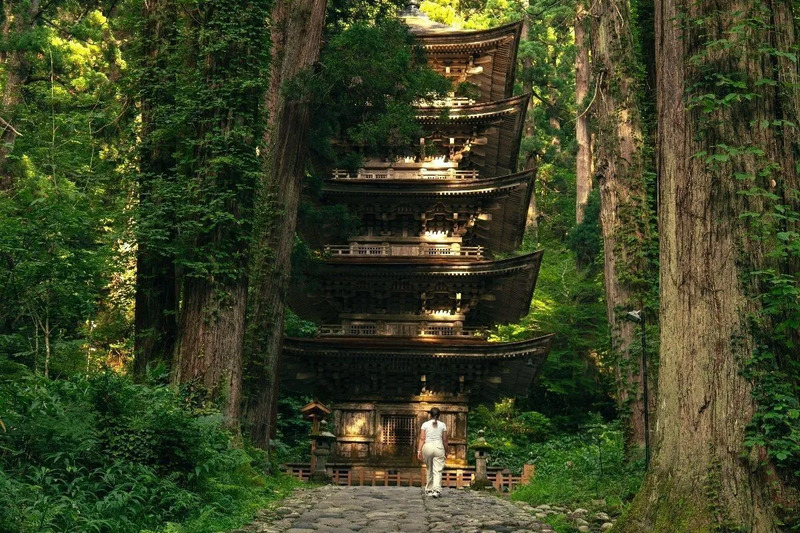
If you didn’t visit on Day 5, make time for the Five-Story Pagoda, a National Treasure that rises gracefully among towering cedars.
Day 7: Cruise the Mogami River and Sip Sake in Yamagata City
Descend from the mountains to spend a day experiencing the natural beauty of Yamagata’s rivers and the rich flavors of its sake. Begin with a cruise down the Mogami River, once a vital trade route, before heading to Yamagata City to explore its lively sake culture. Day 7 blends river landscapes with modern flavors, showing how the region’s natural bounty flows into its cultural life. End the day with a sip of sake and a good night’s rest, ready for another day of sacred mountain steps.
The Mogami River has long been celebrated in poetry and history, once carrying goods between Yamagata and cities such as Kyoto and Osaka. Today, it offers a 12-kilometer, 50-minute boat ride where tradition meets entertainment. Each boat guide is well trained, not only in their boating skills, but as performers. Yamashina Noro, as one of the team members, keeps passengers laughing with songs, stories, and local knowledge.
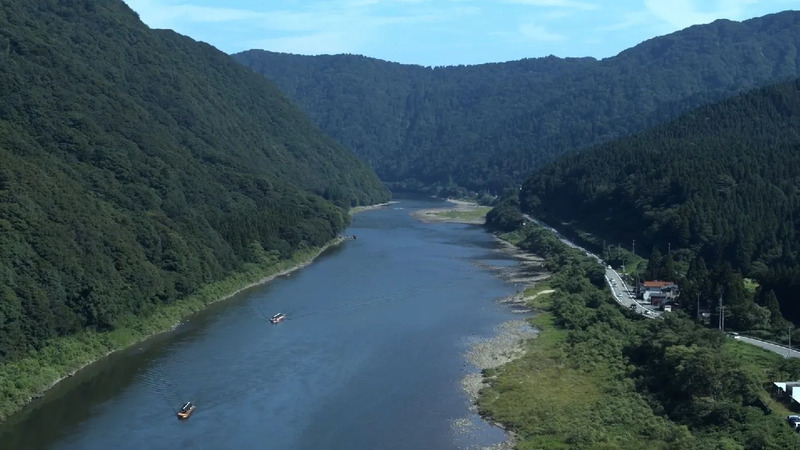
Photo by "Tohoku Tourism Promotion Organization”
The ride is open year-round, even on New Year’s Day, when as many as 500 people take part. Seasonal highlights of Mogami River include autumn crab fishing and summer’s refreshing ayu fish dishes which are available at nearby eateries. Along the way, you’ll learn about Yamagata’s unique “hiyashi culture,” which means chilled items and dishes. From chilled noodles and shampoos to quirky local drinks like pineapple cider made without real pineapples, there are more chilled items available around Yamagata than many other places in Japan.
With the JR EAST PASS (Tohoku area), it’s easy to board at Furukuchi Station and disembark further downstream, making it a seamless experience for travelers.
(Links are in Japanese only)
Back in Yamagata City, the focus shifts to sake. At Sake Meguri Chetto, visitors can sample from a wide variety of local breweries in one convenient location. Yamagata is known across Japan for its exceptional sake. The prefecture regularly earns top honors at national competitions, and its brewers are celebrated for turning the region’s pristine water and high-quality rice into some of the country’s finest sake. As such, this venue offers a chance to taste that excellence in a relaxed setting.
Day 8: Climb a Thousand Steps at Yamadera and Ride a Joyful Train
After a day by the river, head to Yamadera for a completely different perspective of Yamagata. This mountain-top temple offers vast views, from village rooftops below to the open skies stretching into the distance. Once you’ve taken in the views, it’s time to swap mountain steps for a seat on the Joyful Train SATONO, one of Tohoku’s most charming sightseeing trains. This ride isn’t just transportation: it’s a chance to relax and watch the scenery shift from mountain valleys to coastal plains as you roll toward Sendai and Matsushima in Miyagi prefecture.
Yamadera means “mountain temple,” and your first impressions from Yamadera Station make clear why the name is well suited. Founded in 860 by the monk Ennin, Yamadera has long been a place of prayer and reflection, and the ascent of its thousand stone steps is considered a symbolic journey toward spiritual renewal. The climb itself takes less than an hour, with plenty of rest stops along the way, and the views over the valley grow more striking with every step.
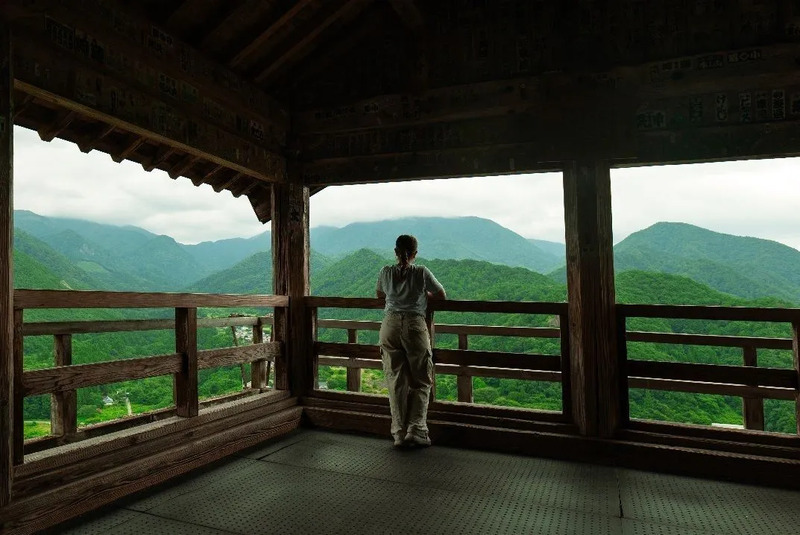
At the foot of the trail, a newly opened café, called Nice Spot Coffee, offers something unique in the area. Run by Junko Takeda, who returned to her hometown after 20 years in Australia, the café stands out for its flat whites, chai lattes, and baked goods that bring a taste of Western home nostalgia. A highlight is the carrot cake infused with benibana (safflower), once a highly prized local product used for dyes and as lipstick by Kyoto’s geisha and maiko, and a symbol of Yamagata’s heritage. For a more traditional meal, Fumotoya nearby serves hearty soba noodles and tempura, along with cherry soft-serve ice cream and gifts that showcase Yamagata’s most famous fruit.Yamagata is known across Japan as the “kingdom of cherries,” producing around 70% of the country’s cherries.
If you are visiting in October or November, be sure to book an excursion on the Joyful Train SATONO, one of a handful of special sightseeing trains that run through the Tohoku region. SATONO celebrates Yamagata itself, with wide windows framing the scenery as the train travels east, and interiors that highlight the prefecture’s traditional craftsmanship. It’s a comfortable and fun way to make your way from the mountains of Yamagata to the coastal plains in Miyagi prefecture, visiting Sendai and Matsushima.
The Joyful Train SATONO operates in different areas depending on the season, so please check the website or other sources before traveling.
Day 9: Enjoy an Island Cruise and Make Prayer Beads in Scenic Matsushima, Miyagi
Matsushima is celebrated as one of Japan’s “Three Great Views,” with over 200 pine-covered islands dotting its bay. Rich in both scenery and history, this coastal destination combines centuries-old temples, hands-on cultural experiences, and unforgettable views from the water.
Start with a visit to Zuigan-ji Temple, the family temple of the Date clan and one of the Tohoku region’s most important Zen temples. Founded in the 9th century and rebuilt by feudal lord Date Masamune in the 1600s, the temple is known for its beautifully painted sliding doors, quiet stone approach, and caves once used by monks for meditation.
Visit Entsu-in, a temple established to honor Date Masamune’s grandson. Here, visitors can experience a hands-on juzu-making workshop. Juzu are Buddhist prayer-bead bracelets traditionally used for meditation and reflection. Choose from a dozen varieties of colorful stone beads, then carefully string them together with the guidance of the temple staff, who show you the correct pattern and size to use. While English explanation is not available whilst making the juzu, the process is hands-on and straightforward. Only after your bracelet is finished will they explain the meaning behind each stone, revealing hidden messages about your choices.

Translated materials in English are available at this point for the explanations. A juzu is the perfect little souvenir to connect to your personal and spiritual journey in Tohoku.
No trip to Matsushima is complete without seeing the bay from the water. The regular Matsushima Bay cruises glide past clusters of small islands, each shaped by centuries of wind and waves. Open year-round, the cruises offer the perfect perspective to appreciate why Matsushima has been admired in poetry and art for generations. Be sure to grab a freshly baked oyster curry-pan (curry bread) at Pensee Matsushima before or after your cruise, but don’t let the birds get to it!
Day 10: Toast to Tohoku with Sendai’s Finest Drinks
Before heading back to Tokyo, squeeze in a proper goodbye to Tohoku with some good drinks in Sendai, the region’s biggest city, buzzing with good food, nightlife, and shopping, for a perfect last stop.
In recent years, Japan has become synonymous worldwide with award-winning whisky, and Miyagikyo offers a unique opportunity to experience that reputation firsthand. Founded in 1969 by Masataka Taketsuru, the father of Japanese whisky, this distillery was built in a lush, misty valley just outside Sendai City; a location chosen for its soft mountain water and cool, humid air, ideal for aging whisky.
Visitors can join a guided tour that passes by the red-brick distillery buildings and gleaming copper pot stills, which are heated by indirect steam to create Miyagikyo’s smooth, elegant malt whisky. You’ll also get a look inside the warehouse where whisky quietly matures in oak casks. The visit ends with a tasting session, where you can sample several whiskies side by side and discover the signature style that has earned Nikka international acclaim.
Visitors can join a guided tour that passes by the red-brick distillery buildings and gleaming copper pot stills, which are heated by indirect steam to create Miyagikyo’s smooth, elegant malt whisky. You’ll also get a look inside the warehouse where whisky quietly matures in oak casks. The visit ends with a tasting session, where you can sample several whiskies side by side and discover the signature style that has earned Nikka international acclaim.
Back in the city, step into Sendai’s yokocho alleys, a network of narrow lanes that sprang up after World War II when locals set up makeshift stalls made from wooden doors. These grassroots markets grew into community gathering spots and eventually became the atmospheric food alleys that still thrive today. Explore Iroha Yokocho, two parallel lanes that still hold their retro-Japan charm, or head to Bunka Yokocho (Culture Alley), named after a popular 1920s movie theater that once stood nearby.
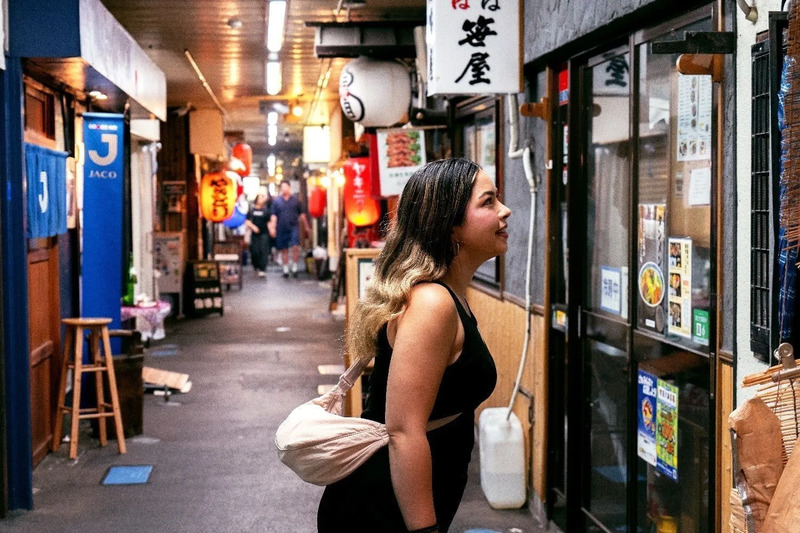
Together, they offer a mix of old-school izakayas, bars overflowing with personality, and modern spots serving everything from Chinese dumplings to natural wines and French-inspired plates. Grab a sizzling plate of beef tongue (gyūtan), sip local sake, and chat with fellow travelers or friendly regulars. Whether you join a guided tour or simply wander between neon signs and lantern-lit doorways, Sendai’s yokocho are where the city’s spirit comes alive: lively, welcoming, and best enjoyed with good food and a drink in hand.
Travel Summary
The JR EAST PASS is an indispensable ally for rail travel through the Tohoku region. Its appeal is especially immeasurable for those wishing to thoroughly explore a wide area. In just 10 days, you can cross mountains, rivers, and coastlines; marvel at temples over a thousand years old; soar above rice fields; cruise down storied rivers; taste sake, cherries, and whisky; and explore historic and vibrant alleys. Tohoku invites you to experience active slow travel, to move at your own pace while fully engaging with the region’s landscapes, traditions, and people.
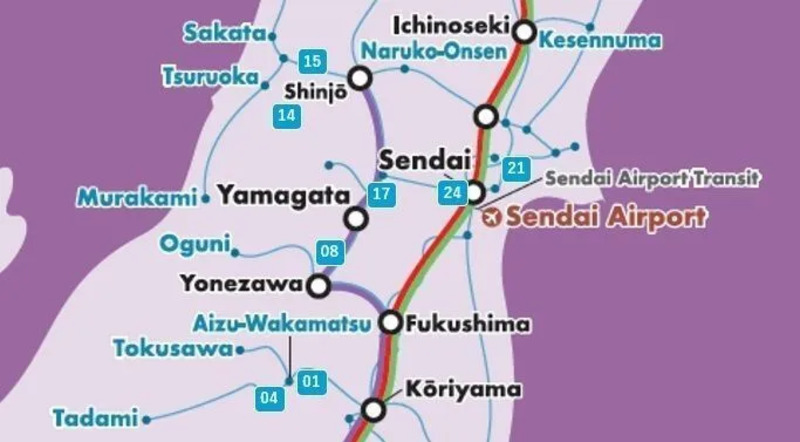
If you plan to travel for a shorter period of time, the JR EAST PASS (Tohoku area) 5-day option is also highly recommended. It allows unlimited rides within JR East's designated area, including the shinkansen, enabling efficient sightseeing.
However, if you plan to thoroughly explore southern Tohoku, or extend your journey a bit further, the JR EAST PASS (Tohoku area) 10-day is ideal. With its extended 10-day validity, you can easily accommodate sudden itinerary changes or spontaneous stops at unexpected places. This relaxed pace allows you to deeply immerse yourself in the local culture and atmosphere.
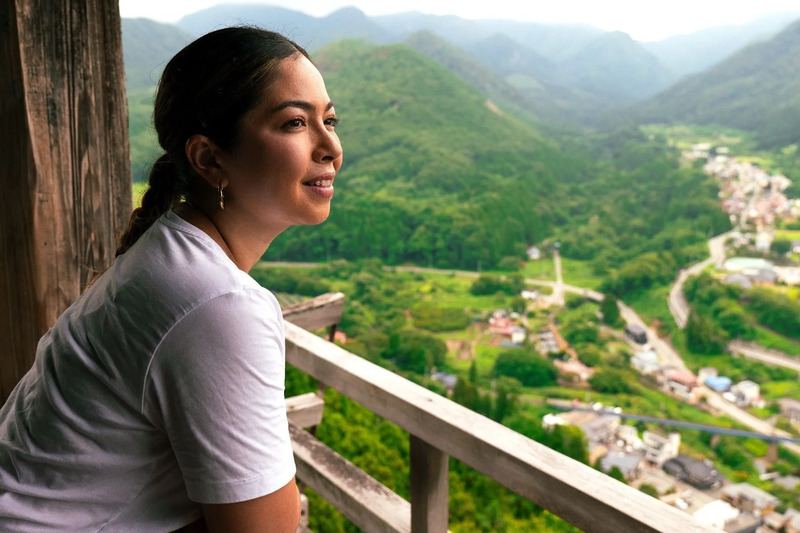
With the extended 10-Day JR EAST PASS (Tohoku area), the adventure is not only possible, it’s effortless and affordable. Hop on, hop off, and let the rails carry you through a region known for its breathtaking landscapes and hidden gems. The only question left: where will your pass take you?