
更新日: 2025年10月28日
A Scenic Railway Journey Through Snow Country
Explore the best of Tohoku in a snow activity-filled rail journey, unlocking its natural wonders, cultural treasures, and historical landmarks along the way with the JR East Pass.
Discover Tohoku's Best Snow Adventures on a Scenic Rail Journey
This 10-day sample itinerary takes you through Tohoku, Japan's snow country, highlighting some of the region's finest winter activities.
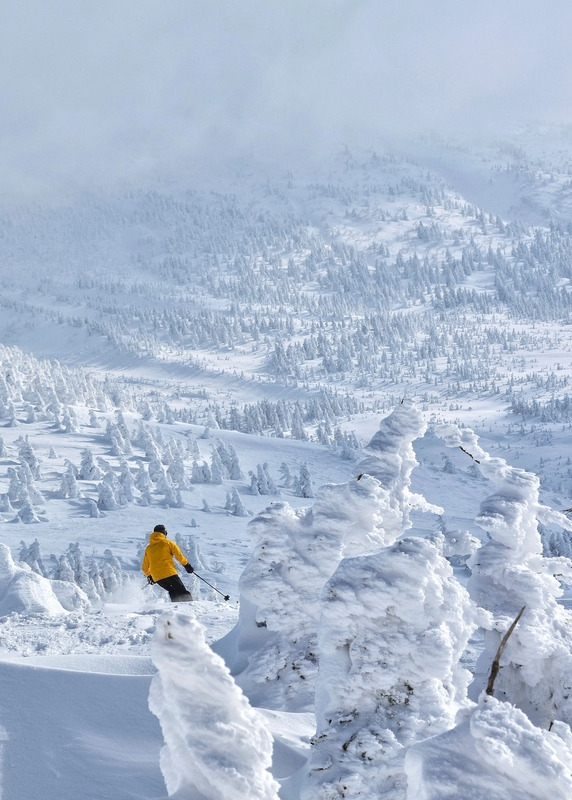
Photo by "TRAVEL TO TOHOKU - The official tourism website of Tohoku, Japan"
The magnificent photo above is of the Hakkoda Mountains! Travel from picturesque hot springs nestled in dense forests to ski resorts famed for Japan’s much-praised powdery snow, known as JAPOW, to historical sites that offer a glimpse into Edo-period Japan. Along the way, enjoy captivating natural scenery and culinary experiences unique to Tohoku. With the flexibility of the JR East Pass, discover the region at your own pace.
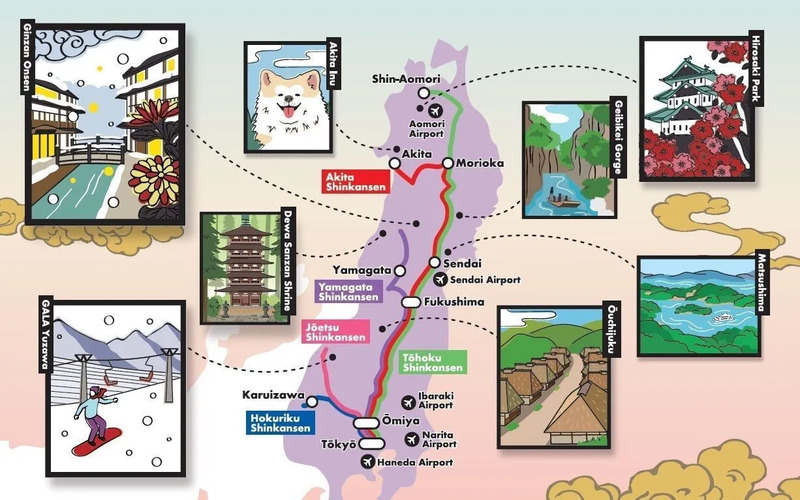
The JR EAST PASS (Tohoku area) makes exploring the region simple and stress-free. With it, you get unlimited travel on JR East trains, including the shinkansen and local lines, along with select partner lines and buses.
This pass gives you the flexibility to change your plans and make spontaneous stops, highlighting its incredible mobility. To put the value in perspective, the price is just about the same as a single round-trip from Tokyo to a major Tohoku city like Akita or Aomori. But instead of just one destination, you can explore the entire region over ten consecutive days for a flat fee, giving you the freedom to see what Tohoku has to offer.
This pass gives you the flexibility to change your plans and make spontaneous stops, highlighting its incredible mobility. To put the value in perspective, the price is just about the same as a single round-trip from Tokyo to a major Tohoku city like Akita or Aomori. But instead of just one destination, you can explore the entire region over ten consecutive days for a flat fee, giving you the freedom to see what Tohoku has to offer.

Tohoku is a place where the land itself shapes daily life. Fertile fields and pure mountain water produce some of Japan's most celebrated rice and sake. Small farming villages sit nestled between rolling hills, while historic towns preserve the stories of samurai, merchants, and monks. The seasons transform the scenery: cherry blossoms in spring, lush greenery in summer abundant with fruits, vibrant foliage and golden rice fields in autumn, and heavy snow in winter; the reason Tohoku is famously known as "snow country."

A 10-day sample Tohoku winter itinerary to inspire your journey
The proposed itinerary begins in Aomori, the northernmost prefecture of Tohoku, as enigmatic as its name, blue forest, suggests, and gradually leads you south to Miyagi, a prefecture in the southern part of the region. Along the way, each stop reveals a different side of Tohoku, creating a journey that offers a blend of cultural, natural, culinary, and outdoor experiences showcasing some of the region's very best. The itinerary balances activity-filled days with restful stays at onsen resorts, creating a well-paced mix of nature and urban exploration.
Day 1: Begin your Tohoku journey with a scenic train ride and enjoy the serene beauty of Oirase Stream
Day 2: Experience Tohoku's majestic nature high above the Hakkoda Mountains and visit vibrant Morioka City
Day 3-4: Enjoy the thrill of JAPOW with a comfortable stay at Appi Kogen
Day 5: Explore the fairytale winter beauty of historical Nyuto Onsen, hidden in the mountains
Day 6: Discover the profound charm of the Yokote Basin in winter and savor the finest regional sake
Day 7: Soak in the soothing hot springs of Zao Onsen and stay in a Japanese ryokan
Day 8: Meet Japan's mystical snow monsters in Mt. Zao
Day 9: Discover Sendai's blend of Edo-period heritage and modern-day elegance
Day 10: Visit one of Tohoku's most important Shrine complexes overlooking one of Japan's three most scenic views
Day 2: Experience Tohoku's majestic nature high above the Hakkoda Mountains and visit vibrant Morioka City
Day 3-4: Enjoy the thrill of JAPOW with a comfortable stay at Appi Kogen
Day 5: Explore the fairytale winter beauty of historical Nyuto Onsen, hidden in the mountains
Day 6: Discover the profound charm of the Yokote Basin in winter and savor the finest regional sake
Day 7: Soak in the soothing hot springs of Zao Onsen and stay in a Japanese ryokan
Day 8: Meet Japan's mystical snow monsters in Mt. Zao
Day 9: Discover Sendai's blend of Edo-period heritage and modern-day elegance
Day 10: Visit one of Tohoku's most important Shrine complexes overlooking one of Japan's three most scenic views
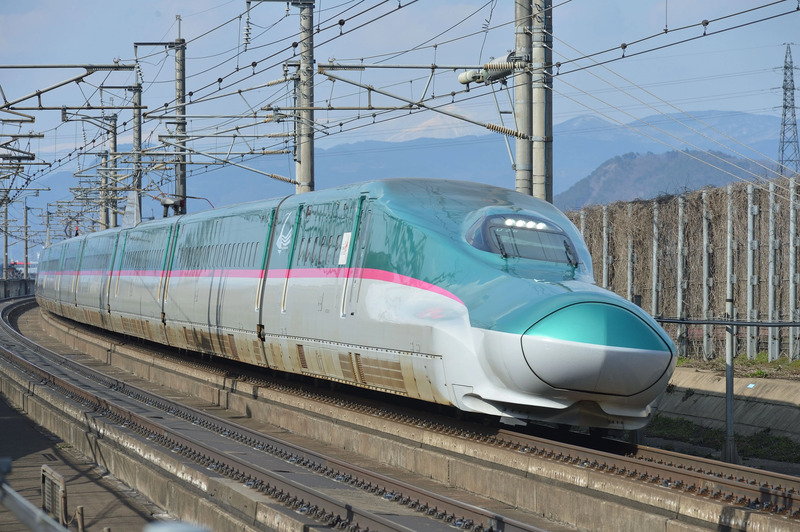
The 10-day JR East Pass allows you to travel freely on all JR trains within the coverage area, including the Shinkansen, for ten consecutive days. This flexibility lets you design your own itinerary—whether it's hopping between Tohoku's dreamy hot springs, spending days skiing and enjoying snow activities, exploring vibrant cities, or combining all of these in a single journey, as the sample itinerary suggests.
Day 1: Begin your Tohoku journey with a scenic train ride and enjoy the serene beauty of Oirase Stream
Start your journey with a morning ride on the Tohoku Shinkansen. In just three scenic hours, you'll arrive in Hachinohe—one of Japan's major fishing ports. After a seafood meal that your taste buds will thank you for, continue deeper into Aomori for a peaceful stay along the beautifully serene Oirase Stream, where you can immerse yourself in the region's pristine nature through a range of optional activities.
If you catch the 8 a.m. train from Tokyo, you will arrive in Hachinohe right on time for lunch with the perfect excuse to stop at Hasshoku Center, not too far from JR Hachinohe Station. One of Japan's largest indoor fish markets, the center offers a colorful taste of the region, with seafood dishes prepared from the day's freshest catch, a delicious reminder of just how close you are to the ocean.
Home to more than 60 specialty stores, Hasshoku is particularly famous for its grill area, where you can cook and enjoy the fresh fish that you can buy from one of the stores. While the seafood is the main specialty, you can also find a range of other products, including dried food, sweets, and souvenirs.
Home to more than 60 specialty stores, Hasshoku is particularly famous for its grill area, where you can cook and enjoy the fresh fish that you can buy from one of the stores. While the seafood is the main specialty, you can also find a range of other products, including dried food, sweets, and souvenirs.
After lunch, you can hop on the bus for a scenic trip to the Oirase Stream area. Located right by Lake Towada, renowned for its deep blue waters, Oirase Stream is rightfully cherished for its poetic charm and is considered one of the most beautiful waterways in Japan.
The stream can be explored along a gentle 14-kilometer walking trail that leads past numerous waterfalls and through mossy or icy forests, depending on the season. It offers the first nature encounter of the trip and highlights why Tohoku's landscapes have inspired so many poets.
The stream can be explored along a gentle 14-kilometer walking trail that leads past numerous waterfalls and through mossy or icy forests, depending on the season. It offers the first nature encounter of the trip and highlights why Tohoku's landscapes have inspired so many poets.
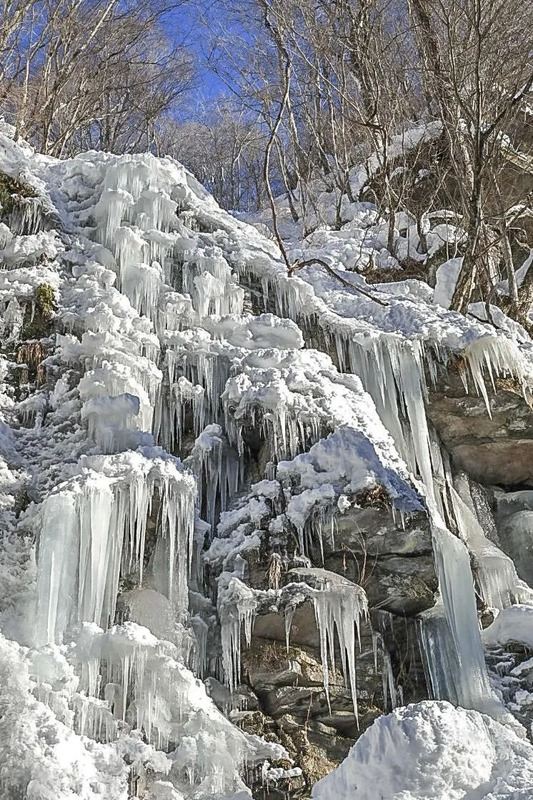
Photo by "TRAVEL TO TOHOKU - The official tourism website of Tohoku, Japan"
Thanks to the dense forests surrounding it, the stream is one of Japan's most beloved spots for viewing fall colors. Yet in winter, Oirase reveals an equally magical side. The snowy landscape and frozen waterfalls, adorned with picturesque icicles, create a quiet, dreamlike world, allowing visitors to experience the stream in a completely different light. The route features fourteen waterfalls scattered throughout the valley, each offering a distinct and captivating scene. The scenery, which can also be enjoyed at night in the winter thanks to a seasonal illumination event, is so striking that it could easily be the setting of an epic winter film.
Among these many waterfalls, the 20-meter-wide Choshi Otaki gets a fair share of attention, taking on an almost otherworldly beauty in winter.
Among these many waterfalls, the 20-meter-wide Choshi Otaki gets a fair share of attention, taking on an almost otherworldly beauty in winter.
The Oirase Keiryu Hotel is more than just a resort—it is a gateway. As the sole lodging along the famed Oirase Stream, it grants guests unparalleled access to the dramatic, frozen magic of Towada-Hachimantai National Park.
The stream's winter transformation is the main event. Waterfalls freeze into magnificent Icefalls, creating a spectacular, sculptural world of snow and ice right outside the hotel doors. The absolute highlight is the seasonal Night Illumination. Seeing these colossal frozen cascades beautifully lit up creates a mysterious, glowing spectacle unique to this region.
What truly perfects the experience is the comfort. You can enjoy the entire dramatic scene effortlessly from the warm lobby or your own riverside room. After exploring the frozen valley, the hotel's Hakkoda Mountain Hot Springs are a lifesaver. Soaking in the therapeutic waters, surrounded by the serene winter silence, is the definition of sanctuary.
This trip is an opportunity to forge a deep connection with the quiet, powerful beauty of a Japanese winter. Complemented by refined dining that brilliantly showcases Aomori Prefecture's rich local ingredients, the Oirase Keiryu Hotel is an absolute must for a unique and restorative cold-weather adventure.
The stream's winter transformation is the main event. Waterfalls freeze into magnificent Icefalls, creating a spectacular, sculptural world of snow and ice right outside the hotel doors. The absolute highlight is the seasonal Night Illumination. Seeing these colossal frozen cascades beautifully lit up creates a mysterious, glowing spectacle unique to this region.
What truly perfects the experience is the comfort. You can enjoy the entire dramatic scene effortlessly from the warm lobby or your own riverside room. After exploring the frozen valley, the hotel's Hakkoda Mountain Hot Springs are a lifesaver. Soaking in the therapeutic waters, surrounded by the serene winter silence, is the definition of sanctuary.
This trip is an opportunity to forge a deep connection with the quiet, powerful beauty of a Japanese winter. Complemented by refined dining that brilliantly showcases Aomori Prefecture's rich local ingredients, the Oirase Keiryu Hotel is an absolute must for a unique and restorative cold-weather adventure.
Day 2: Enjoy Tohoku's majestic nature high above the Hakkoda Mountains and visit vibrant Morioka City
A winter trip to the Aomori region offers a wide variety of activities, from horseback riding to snow kayaking. Among these diverse options, take things—quite literally—a notch higher on your second day. Head to the Hakkoda Mountain Range to enjoy sweeping views of Tohoku from above and revel in the quiet beauty of its snow-covered forests. The Hakkoda Ropeway provides a short, yet breathtaking ascent over a sea of white, revealing the region’s winter landscape in all its serene glory.

You'll then transition to a new prefecture, Iwate, for an overnight stay in Morioka, one of Tohoku’s most vibrant cities. This warm and welcoming destination takes quiet pride in its local flavors, and recently garnered international attention after topping The New York Times’ “Places to Go” list.
A morning bus will take you from the Oirase area to Hakkoda Ropeway Station in a little over an hour. From there, a short yet spectacular ride over a sea of frozen trees will carry you to Sancho Station, where your Aomori journey continues high above, offering sweeping views of Tohoku’s vast mountains and the Towada-Hachimantai National Park.
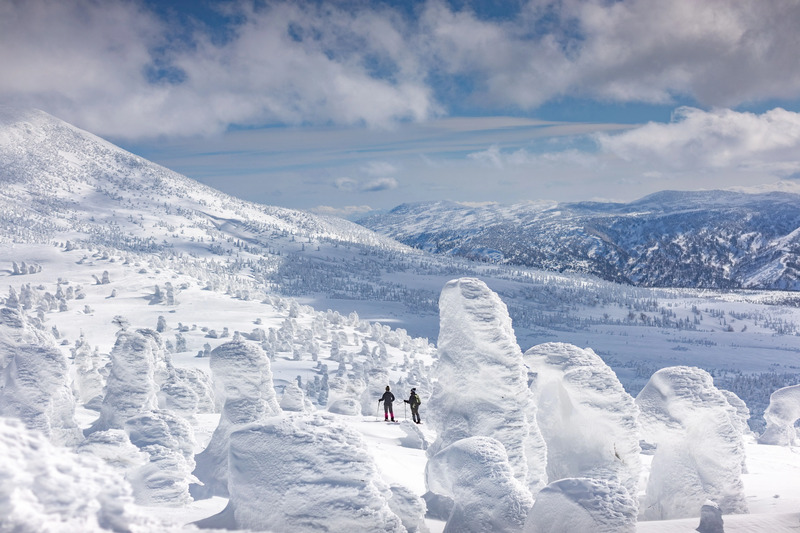
Photo by "Amazing AOMOR - The official tourism website of Aomori, Japan"
Listed among 100 famous mountains of Japan and home to 16 different peaks, the gorgeous Hakkoda Mountain Range is a sight to remember every season. But come winter season, you will also have the chance to meet the mountains' quirky winter residents – the Snow Monsters. Offering one of the most thrilling winter sceneries in Japan, the towering pine trees take on a ghostly form when covered in snow and ice, creating a truly surreal landscape.
Also, for those prioritizing relaxation, Asamushi Onsen is highly recommended over the Hakkoda Ropeway. To reach this famed hot spring destination, simply take the scenic Aoimori Railway to Asamushi Onsen Station. The town offers a unique blend of a traditional hot spring village on the east side—featuring an onsen tamago center and the serene Forest Park—and a soothing oceanfront resort on the west.
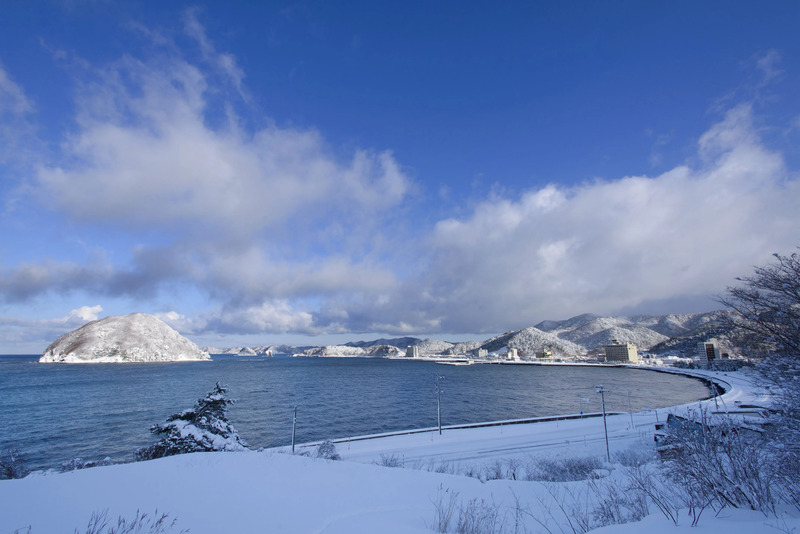
Photo by "Amazing AOMORI - The official tourism website of Aomori, Japan"
The western side, including the Yu-Sa Asamushi roadside station, offers spectacular panoramic baths and magnificent winter sunsets over Mutsu Bay. The spring water is renowned for its therapeutic benefits for ailments like arthritis and neuralgia, making Asamushi Onsen a perfect destination that seamlessly blends mountain serenity, coastal beauty, and traditional relaxation for a winter retreat.
If you visit during winter, we also recommend the special event "Nebuta Fuyu no Jin" (Nebuta Winter Array). This festival brings the excitement of summer's Nebuta culture to the cold season, offering various programs such as a "Midwinter Nebuta Festival" with a parade and winter fireworks, plus unique experiences like trying on the haneto dancer costumes.
After a day spent high up in the mountains, the vibrant Morioka City will make an excellent night stop for some urban adventures. A scenic bus ride will take you to Shin-Aomori Station, where you can board the Shinkansen for a one-hour ride to Morioka. Morioka, a mid-sized city, offers a wide range of accommodations to suit all tastes and budgets, along with plenty of atmospheric izakaya where you can experience one of Japan's most beloved evening traditions.
Among the many activities and sites the city is home to, you will not regret making time for a special Wanko Soba experience, which is not only a tasty treat but a highly entertaining one. Named after the small wooden bowl in which soba is served, the all-you-can-eat buckwheat soba experience that Morioka and Iwate Prefecture are famous for is a reason alone to stop in Morioka City.
Among the many activities and sites the city is home to, you will not regret making time for a special Wanko Soba experience, which is not only a tasty treat but a highly entertaining one. Named after the small wooden bowl in which soba is served, the all-you-can-eat buckwheat soba experience that Morioka and Iwate Prefecture are famous for is a reason alone to stop in Morioka City.
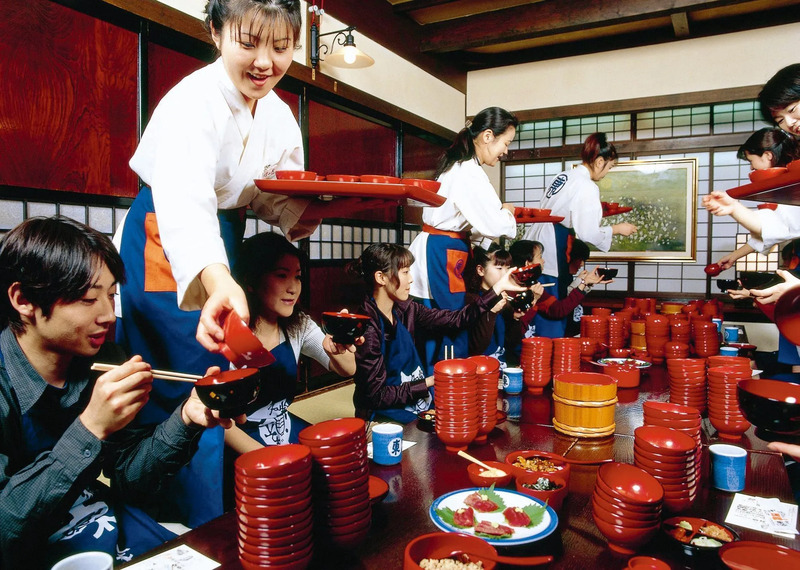
Photo by "TRAVEL TO TOHOKU - The official tourism website of Tohoku, Japan"
Served in tiny portions with customizable toppings, the custom is to finish your soba as quickly as possible and continuously ask for more. The servers will be there for encouragement, exchanging cheerful calls of "Hai jan jan!" ("More!") and "Hai don don!" ("Keep it coming!") with you for extra support. Depending on your appetite, you may even try to see how close you can get to the record of five hundred bowls per person. Yes, that's right!
There are many traditional shops in the city where you can taste the dish; some are even older than a hundred years.
There are many traditional shops in the city where you can taste the dish; some are even older than a hundred years.
Days 3-4: Enjoy the thrill of JAPOW with a comfortable stay at Appi Kogen
After a nature, culture, and soba filled first two days, you may enjoy a two-day stay in a ski resort at Appi Kogen, where you can take things as slow or as "fast" as you would like.
IGR Iwate Galaxy Railway Line will take you to Appi Kogen in an hour from Morioka. There are numerous resorts in the area that offer all the conveniences one would expect from a ski resort, with a defining touch of Japanese hospitality. Accommodation plans typically include breakfast and dinner options, and most facilities offer their own onsen areas, in addition to a gorgeous public one open for day-use visitors.
IGR Iwate Galaxy Railway Line will take you to Appi Kogen in an hour from Morioka. There are numerous resorts in the area that offer all the conveniences one would expect from a ski resort, with a defining touch of Japanese hospitality. Accommodation plans typically include breakfast and dinner options, and most facilities offer their own onsen areas, in addition to a gorgeous public one open for day-use visitors.
Home to more than 21 courses stretching over 43 kilometers, Appi Kogen Ski Resort offers a perfect opportunity to experience Japan's famous powder snow, known as JAPOW, at its best. Set along the slopes of Mt. Maemori (1,305 meters), the courses lead up to a lookout at the summit, where on clear days you can enjoy expansive views of the surrounding mountains, including Mt. Iwate and Mt. Hachimantai.
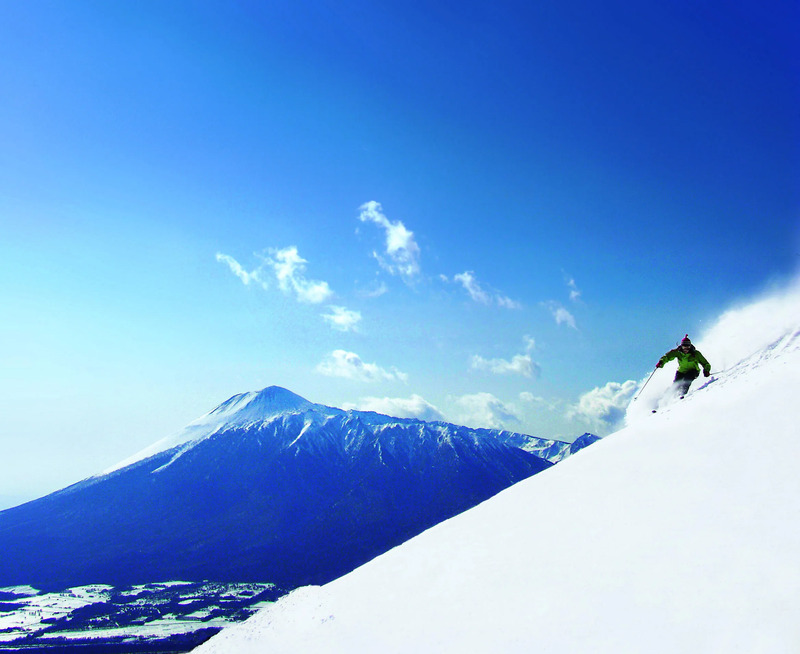
Photo by "VISIT IWATE - The official tourism website of Iwate, Japan"
The resort's extensive network of trails caters to every skill level—from beginners to advanced skiers. In addition to its well-maintained slopes, the resort also features designated tree-run zones for adventure seekers.
Known for its wide, open slopes, Appi Kogen also offers night skiing. There are also dedicated family zones where you can enjoy tubing and sledding.
Known for its wide, open slopes, Appi Kogen also offers night skiing. There are also dedicated family zones where you can enjoy tubing and sledding.
One of the nicest features of skiing in Japan is the chance to end the day with a dip in warm hot spring waters, giving your legs a well-deserved rest before the next day on the slopes. And the experience rarely gets more special than in Tohoku, where many hot springs are nestled among snow-covered landscapes. Appi Kogen is home to one of the region’s largest open-air hot spring complexes, both relaxing and visually captivating.
Open for day use from midday until late in the evening, many of the resort hotels offer a complimentary shuttle to the facilities.
Open for day use from midday until late in the evening, many of the resort hotels offer a complimentary shuttle to the facilities.
Day 5: Explore the fairytale winter beauty of historical Nyuto Onsen, hidden in the mountains
Heading a little further south, the next stop is Akita Prefecture, known for its well-preserved Edo-era towns and mountain onsen villages that once served as healing retreats for Akita's feudal lords.
The day's journey first takes you to the town of Tazawako, named after Japan's deepest lake that it borders, via a combination of local train and the Akita Shinkansen, followed by a scenic bus ride through the mountains for a memorable onsen stay.
The day's journey first takes you to the town of Tazawako, named after Japan's deepest lake that it borders, via a combination of local train and the Akita Shinkansen, followed by a scenic bus ride through the mountains for a memorable onsen stay.
Nestled at the foot of Mt. Nyuto, Nyuto Onsen traces its origins back to the 17th Century, when its healing waters served as a place to relax for Akita's feudal lords.
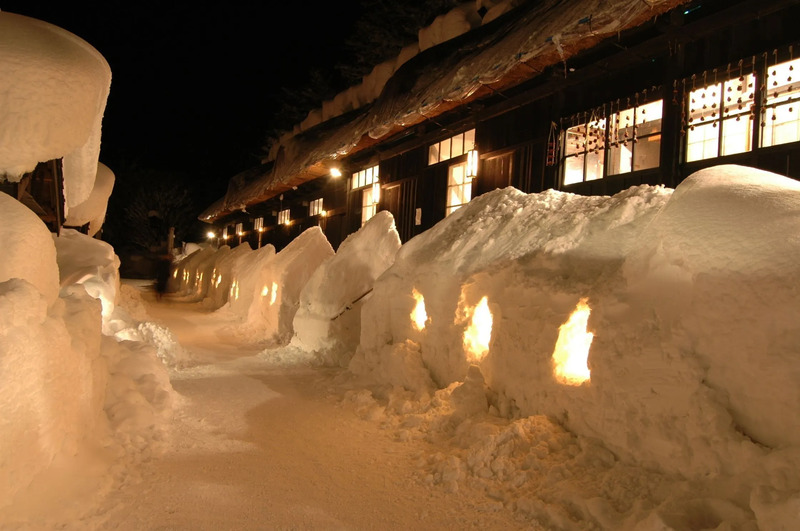
Photo by "Akita-Fun - The official tourism website of Akita, Japan"
The hot spring village is home to seven distinct onsen, all enjoying their special location and each drawing its water from a separate spring. There are rustic facilities, such as Tsurunoyu, that evoke a traditional charm with Japanese-style rooms and thatched roofs, in addition to modern ones, like Kyukamura, which also offer Western-style rooms and an open buffet dining option. There is an onsen shuttle, featuring a decorative barrel bathtub on its top that travels between facilities all day long, allowing you to experience as many different baths as you wish.
Nyuto Onsen, in winter, becomes particularly magical when the snow-blanketed beech forest emphasizes the striking color of the milky-blue waters of the hot springs.
Evenings here are as enchanting as the daytime hot springs, with traditional facilities serving local dishes in a cozy setting around an irori—a traditional sunken hearth warmed by glowing charcoal.
Nyuto Onsen, in winter, becomes particularly magical when the snow-blanketed beech forest emphasizes the striking color of the milky-blue waters of the hot springs.
Evenings here are as enchanting as the daytime hot springs, with traditional facilities serving local dishes in a cozy setting around an irori—a traditional sunken hearth warmed by glowing charcoal.
Day 6: Discover the profound charm of the Yokote Basin in winter and savor the finest regional sake
The next stop, a few hours south of Nyuto Onsen Village, lies between the Ou Mountains and the Dewa Mountains. The Yokote Basin, a region renowned for its heavy snowfall, has long been blessed with pristine water and premium rice—conditions that have made it a natural haven for sake brewing throughout the centuries.
There are multiple experiences to be enjoyed in this area, located in southern Akita, that introduce you to its unique features.
Yokote Basin offers the chance to experience one of the most charming aspects of Tohoku, where local customs and beliefs remain fully integrated into daily life, coexisting in remarkable harmony with the surrounding nature.
There are multiple experiences to be enjoyed in this area, located in southern Akita, that introduce you to its unique features.
Yokote Basin offers the chance to experience one of the most charming aspects of Tohoku, where local customs and beliefs remain fully integrated into daily life, coexisting in remarkable harmony with the surrounding nature.
Easily accessible on foot from Yuzawa Station, Kimura Sake Brewery is an old brewery with a history spanning over 400 years and has won numerous awards both in Japan and overseas. Deeply rooted in the region, it continues to honor Yuzawa’s local climate and traditional brewing methods while pursuing the highest standards of quality and adapting to the times.
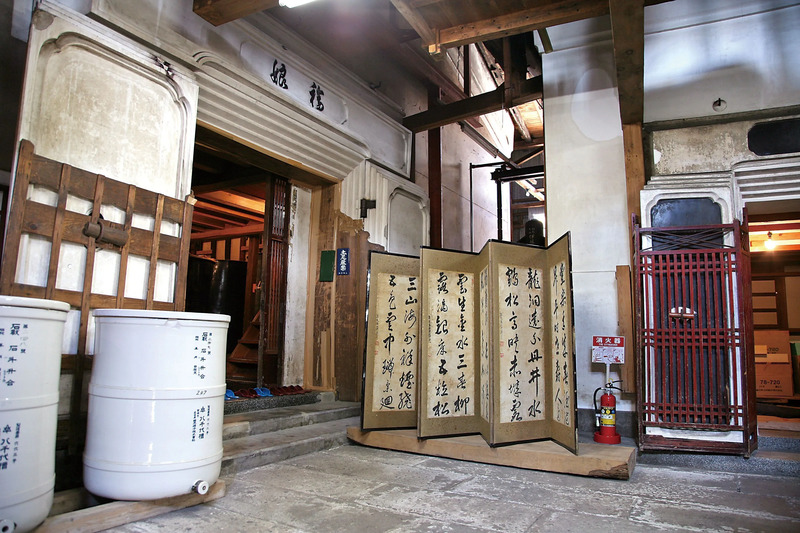
Photo by "Akita-Fun - The official tourism website of Akita, Japan"
Visitors can take a glimpse into the craft of sake brewing and, of course, taste the results of this profound dedication, honed over centuries of tradition.
Another cherished feature of Yuzawa is the Kamakura, a winter tradition in which locals build small snow huts resembling igloos, a practice that continues to this day as a children's festival.
Every February, a lively festival celebrates this tradition, transforming the town into a sparkling winter scene filled with hundreds of snow huts, glowing lanterns, and the aroma of grilled festival foods. You can be sure that you will be eagerly invited to take a peek inside the igloos, some of which are proudly built by the local children.
Outside the festival season, visitors can stop by Kamakura Hall, where several snow huts are preserved year-round at –10°C in the “Fantasy Gallery”, offering a glimpse into this unique local custom.
Every February, a lively festival celebrates this tradition, transforming the town into a sparkling winter scene filled with hundreds of snow huts, glowing lanterns, and the aroma of grilled festival foods. You can be sure that you will be eagerly invited to take a peek inside the igloos, some of which are proudly built by the local children.
Outside the festival season, visitors can stop by Kamakura Hall, where several snow huts are preserved year-round at –10°C in the “Fantasy Gallery”, offering a glimpse into this unique local custom.
Another place in Yuzawa that showcases the region’s carefully preserved craftsmanship is the Kawatsura Lacquerware Traditional Crafts Center, which offers an intimate look into the centuries-old art of lacquerware making and even the opportunity to try it yourself.
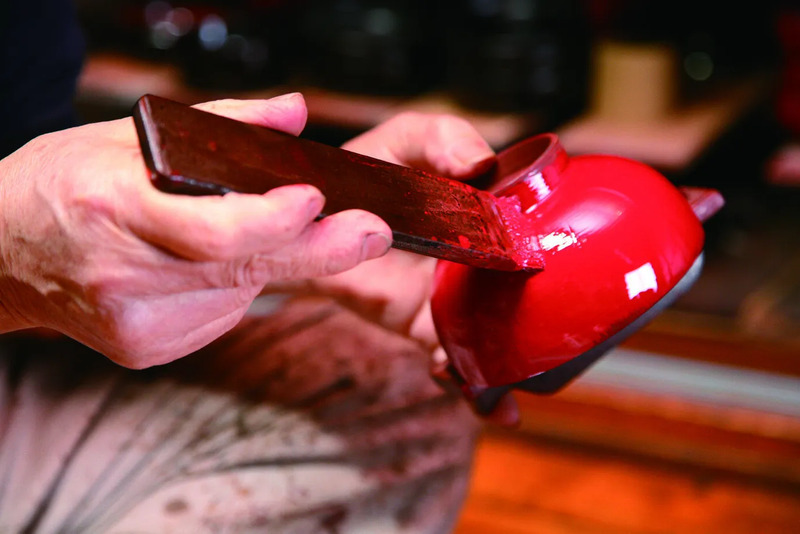
Photo by "Akita-Fun - The official tourism website of Akita, Japan"
The craft has been practiced in Kawatsura for more than 800 years, said to have begun with lacquer applied to samurai armor before evolving into a full-fledged industry by the early 17th Century, specializing in elegant wooden bowls.
Inside the center, a small museum traces this history, while a spacious showroom displays a beautiful range of lacquerware, from everyday bowls to intricate dining sets. Visitors can also join hands-on workshops: the Chinkin experience, which involves embedding gold leaf into engraved designs, and the Maki-e experience, where participants trace delicate underglaze patterns using lacquer and a fine brush. Each session is a testament to meticulous craftsmanship, patiently guiding you through every step of the process.
Inside the center, a small museum traces this history, while a spacious showroom displays a beautiful range of lacquerware, from everyday bowls to intricate dining sets. Visitors can also join hands-on workshops: the Chinkin experience, which involves embedding gold leaf into engraved designs, and the Maki-e experience, where participants trace delicate underglaze patterns using lacquer and a fine brush. Each session is a testament to meticulous craftsmanship, patiently guiding you through every step of the process.
Day 7: Soak in the soothing hot springs of Zao Onsen and stay in a Japanese ryokan
After an activity-filled stop in Yokote Basin, the next stop takes you to Yamagata Prefecture and offers a chance for another relaxing and atmospheric onsen experience, with the option to engage in snow activities, either on skis, snowshoes, or, if you wish to go a little faster, snowmobiles. With a two-day stay in the area, you can enjoy the relaxing charm of a snowy onsen town while also taking part in winter activities.
Zao Onsen, sitting at 880 meters on Mt. Zao, offers a cozy retreat to unwind in an open-air bath, stay at a traditional ryokan, and enjoy a hearty dinner.
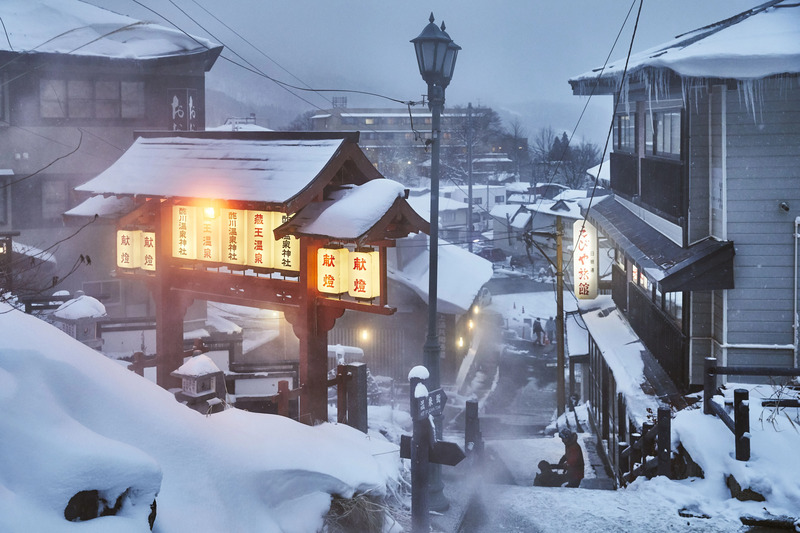
Photo by "STAY YAMAGATA - The official tourism website of Yamagata, Japan"
The onsen town is dotted with traditional ryokan lining its narrow streets that combine soothing baths with full-course dinners showcasing Yamagata Wagyu, one of Japan’s top beef brands, celebrated for its balance of marbling, tenderness, and rich flavor—best enjoyed with a glass of locally brewed sake.
For those wanting to engage in a little bit of onsen hopping, a beloved Japanese custom, there are many public bathhouses scattered around the town. Some facilities preserve the traditional atmosphere, letting you experience Japan’s rustic communal baths, while others feature modern designs with a variety of pools and conveniences.
For those wanting to engage in a little bit of onsen hopping, a beloved Japanese custom, there are many public bathhouses scattered around the town. Some facilities preserve the traditional atmosphere, letting you experience Japan’s rustic communal baths, while others feature modern designs with a variety of pools and conveniences.
The wagyu beef is not the only delicacy Yamagata is known for. Often called Japan’s “ginjo kingdom”, the prefecture takes pride in its devotion to using rice polished to at least 60% of its original size. Blessed with the pure snow melt water from its mountains and the Shonai Plains, one of the leading rice production areas in the country, the prefecture turns its geographical fortune into refined sake.
In fact, Yamagata is the first prefecture in Japan to receive a Geographical Indication for its sake, a mark that honors the quality and distinct character shaped by its land and climate. In Zao Onsen village, you will find plenty of venues inviting you to experience and judge the taste of Yamagata’s sake for yourself.
In fact, Yamagata is the first prefecture in Japan to receive a Geographical Indication for its sake, a mark that honors the quality and distinct character shaped by its land and climate. In Zao Onsen village, you will find plenty of venues inviting you to experience and judge the taste of Yamagata’s sake for yourself.
Day 8: Meet Japan’s mystical snow monsters in Mt. Zao
After a relaxing day in the hot springs and a cozy night at your ryokan (and maybe a little bit of sake tasting!), begin the next morning with a filling Japanese breakfast at your ryokan and gather the energy for the day’s activities, which you can start with a scenic ropeway ride.
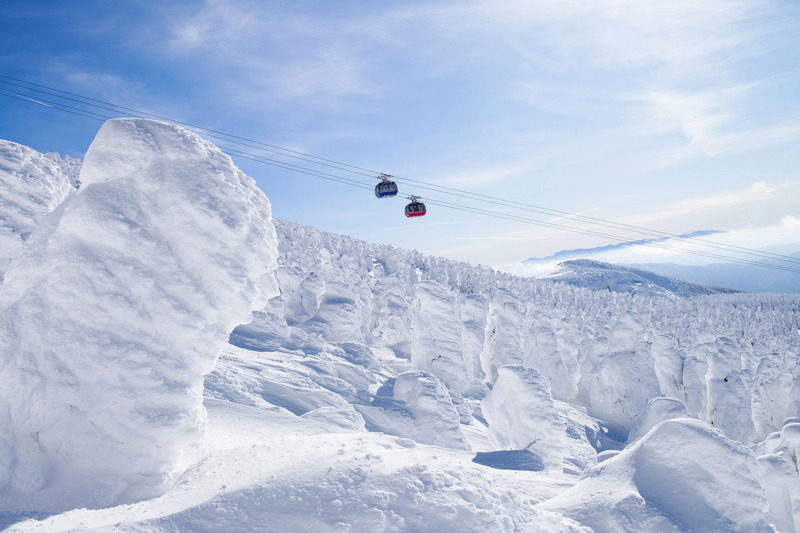
Photo by "STAY YAMAGATA - The official tourism website of Yamagata, Japan"
Two connecting ropeways take you up the mountain—first to Juhyo Kogen Station at 1,331 meters, reached in just seven minutes, where you can ski against the backdrop of spectacular winter scenery.
From there, the next ropeway ascends to the summit station in about 10 minutes, where the famous snow monsters await—towering, snow-covered trees that transform the landscape into a surreal white world, just like the ones you first met in the Hakkoda Mountains.
You can explore the summit area at your own pace on snowshoes, or choose something more exhilarating, such as a snowmobile ride through the captivating winter landscape.
End the day at the onsen village with a relaxing dinner at your ryokan, and perhaps a little more sake tasting, as Yamagata offers far too many varieties to try in one sitting.
You can explore the summit area at your own pace on snowshoes, or choose something more exhilarating, such as a snowmobile ride through the captivating winter landscape.
End the day at the onsen village with a relaxing dinner at your ryokan, and perhaps a little more sake tasting, as Yamagata offers far too many varieties to try in one sitting.
(Links are in Japanese only)
For those wishing to explore Yamagata’s sake culture and local food in greater depth, the Yamagata Sake Museum in Zao Onsen offers an inviting introduction. Located just a short walk from the onsen village, it showcases sake from nearly 50 breweries across the prefecture.
Visitors can enjoy guided tastings paired with local snacks, gaining insight into how Yamagata's pure water and craftsmanship come together in every bottle. There is also a bar on the premises that offers local dishes to pair with your sake.
Zao Onsen, a serene mountain village away from the city’s buzz, transforms into a winter wonderland when the season arrives. The Yamagata Sake Museum and its attached bar, featuring a cozy wooden interior, is the perfect spot to savor the soothing effects of sake while gazing out at the snow outside.
Visitors can enjoy guided tastings paired with local snacks, gaining insight into how Yamagata's pure water and craftsmanship come together in every bottle. There is also a bar on the premises that offers local dishes to pair with your sake.
Zao Onsen, a serene mountain village away from the city’s buzz, transforms into a winter wonderland when the season arrives. The Yamagata Sake Museum and its attached bar, featuring a cozy wooden interior, is the perfect spot to savor the soothing effects of sake while gazing out at the snow outside.
Day 9: Discover Sendai’s blend of Edo-period heritage and modern-day elegance
As the trip draws to a close, Sendai, one of Tohoku’s major cities located in Miyagi Prefecture, offers a wonderful opportunity to explore the region’s rich history.
The city is home to many sites that reflect its Edo-period heritage, as well as areas that blend history with modern entertainment. During the Edo period, Kokubuncho served as the hub of the Oshu Kaido, which is the highway that connected the north and south through Sendai’s castle town. Today, it is regarded as Tohoku’s leading entertainment district, often mentioned alongside Nakasu in Fukuoka and Susukino in Sapporo.
Stay in one of the many hotels in Sendai for a day of sightseeing, followed by a cozy night tasting the nourishing hot pot dishes that the city is famous for.
The city is home to many sites that reflect its Edo-period heritage, as well as areas that blend history with modern entertainment. During the Edo period, Kokubuncho served as the hub of the Oshu Kaido, which is the highway that connected the north and south through Sendai’s castle town. Today, it is regarded as Tohoku’s leading entertainment district, often mentioned alongside Nakasu in Fukuoka and Susukino in Sapporo.
Stay in one of the many hotels in Sendai for a day of sightseeing, followed by a cozy night tasting the nourishing hot pot dishes that the city is famous for.
Perched among towering cedar trees, Zuihoden is the ornate mausoleum of Date Masamune (1567–1636), the founder of Sendai and one of Japan’s most influential leaders during the country’s transition from the war-torn Sengoku era to the unified Edo period in the late 16th and early 17th centuries.
The rows of giant cedars create a tranquil atmosphere, and they stand as if paying tribute to the enduring legacy of the Date family, whose influence shaped Sendai’s history.
Designed in the opulent Momoyama style, the period (1573-1603) known for its lavish decoration style, the mausoleum dazzles with vivid colors and intricate gold decorations. Although the original structure was destroyed during World War II and later fires, it was faithfully reconstructed in 1979, retaining its historical charm and grandeur.
Designed in the opulent Momoyama style, the period (1573-1603) known for its lavish decoration style, the mausoleum dazzles with vivid colors and intricate gold decorations. Although the original structure was destroyed during World War II and later fires, it was faithfully reconstructed in 1979, retaining its historical charm and grandeur.
The Aoba Castle Site, once home to the castle from which Date Masamune ruled his city and clan, is now a public park offering sweeping views over Sendai. Built in 1600 by Date Masamune, 100 meters above the town for defense purposes, the castle marked Sendai’s rise as a major city.
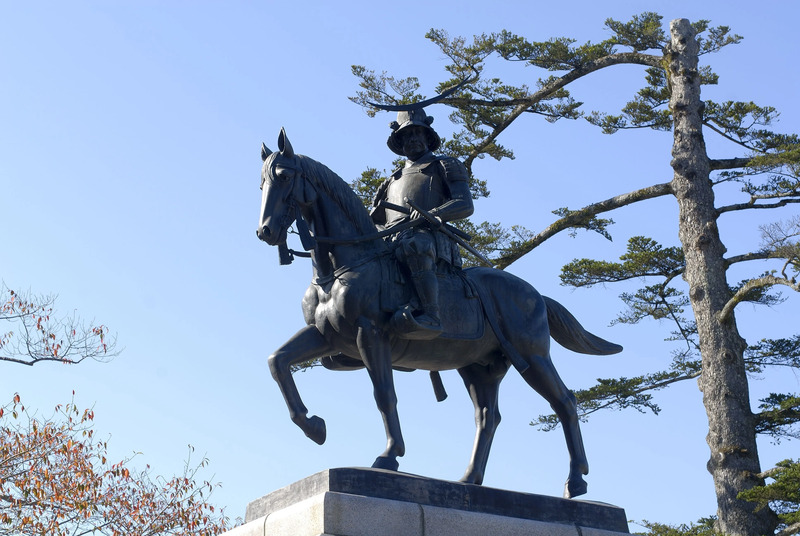
Photo by "TRAVEL TO TOHOKU - The official tourism website of Tohoku, Japan"
Although the original castle, which served as the seat of power of the Date Clan through the Edo Period, no longer stands, the site preserves a sense of its history through several features. The Sendai Castle Museum displays samurai armor, swords, letters, and detailed scale models of the castle, bringing the era to life. To enhance the experience, visitors can also use VR goggles to explore a virtual reconstruction of the castle grounds and imagine how they once looked.
With a rich history that continues to shape its modern-day charm, Sendai evokes a subtle elegance, which reaches its peak in winter during the Sendai Pageant of Starlight, Tohoku’s largest illumination event, adding a magical glow to the city.
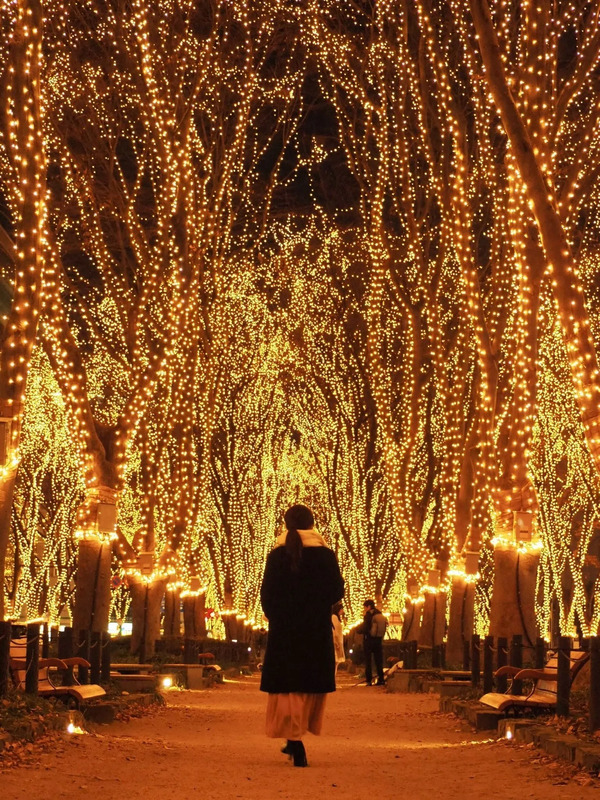
Photo by "TRAVEL TO TOHOKU - The official tourism website of Tohoku, Japan"
On a winter evening, take a stroll along Jozenji-dori Avenue and enjoy the enchanting sight of more than 160 trees illuminated in warm golden light. This heart-warming winter experience is enhanced with additional features, including street concerts, food stalls, and even the opportunity for ice skating, thanks to temporary rings built for the illumination event.
(Links are in Japanese only)
What could be better after an evening stroll along Jozenji-dori, taking in the charm of the illuminated winter trees, than a selection of warming hot pot dishes unique to Sendai?
Sendai’s three signature hot pots each capture a different side of the city’s winter flavors: Sendai Seri Nabe, made with local Japanese parsley whose crisp roots add earthy depth to a light broth; the indulgent Tsuufuu Nabe, rich with oysters, cod milt, and monkfish liver yet balanced by a hint of yuzu; and Sendai-style Imoni, a hearty pork and miso stew rooted in Tohoku’s countryside traditions.
There are many places in the city where you can indulge in these hot dishes. Some restaurants have also joined a local initiative that brings together Sendai’s beloved winter soul food with the region’s centuries-old copper craftsmanship, serving their hot pots in beautifully handcrafted vessels made by local artisans.
Sendai’s three signature hot pots each capture a different side of the city’s winter flavors: Sendai Seri Nabe, made with local Japanese parsley whose crisp roots add earthy depth to a light broth; the indulgent Tsuufuu Nabe, rich with oysters, cod milt, and monkfish liver yet balanced by a hint of yuzu; and Sendai-style Imoni, a hearty pork and miso stew rooted in Tohoku’s countryside traditions.
There are many places in the city where you can indulge in these hot dishes. Some restaurants have also joined a local initiative that brings together Sendai’s beloved winter soul food with the region’s centuries-old copper craftsmanship, serving their hot pots in beautifully handcrafted vessels made by local artisans.
Day 10: Visit one of Tohoku’s most important Shrine complexes overlooking one of Japan’s three most scenic views
On the final day of the trip, take a short train ride from Sendai to visit one of Tohoku’s most important Shinto shrines, then enjoy a freshly prepared seafood meal, a fitting way to conclude the journey, much like how it began. With frequent Shinkansen service connecting Sendai to Tokyo in about an hour and a half, you can take your last day as quickly or as leisurely as you wish.
Dating back over 1,200 years, Shiogama-Jinja Shrine, just north of Sendai City, is one of the most important Shinto shrines in the Tohoku region. Dedicated to deities who are believed to have taught people how to harvest salt by boiling water, the shrine is today known as the protector of the fishermen and children.
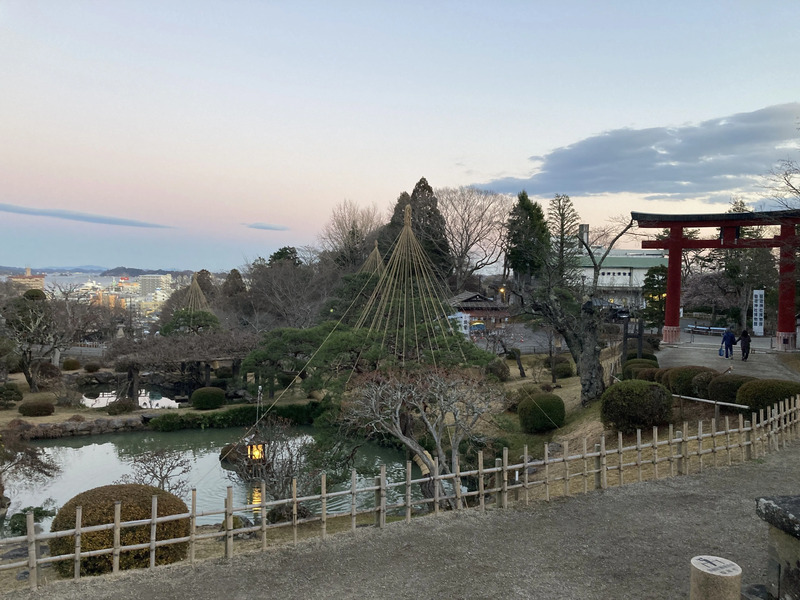
Photo by "TRAVEL TO TOHOKU - The official tourism website of Tohoku, Japan"
Most of the vermilion buildings that make up the shrine complex are designated as National Important Cultural Properties. The beauty of the complex has also inspired Japan’s beloved haiku poet Basho, who paid tribute to the magnificent pillars and long flight of stone steps of the shrine in his book Oku no Hosomichi (The Narrow Road to the Deep North).
Beyond its historical significance, the shrine is also renowned for its magnificent view of Matsushima Bay, a cluster of some 260 small islands, long celebrated as one of Japan’s Three Most Scenic Views.
Beyond its historical significance, the shrine is also renowned for its magnificent view of Matsushima Bay, a cluster of some 260 small islands, long celebrated as one of Japan’s Three Most Scenic Views.
This 10-day journey began with lunch at Hasshoku Center, where visitors can grill their own freshly bought seafood. To end on a similar note, make time for one last seafood feast at the Shiogama Seafood Wholesale Market, home to over 140 stalls selling local specialties, including the famous Matsushima oysters.
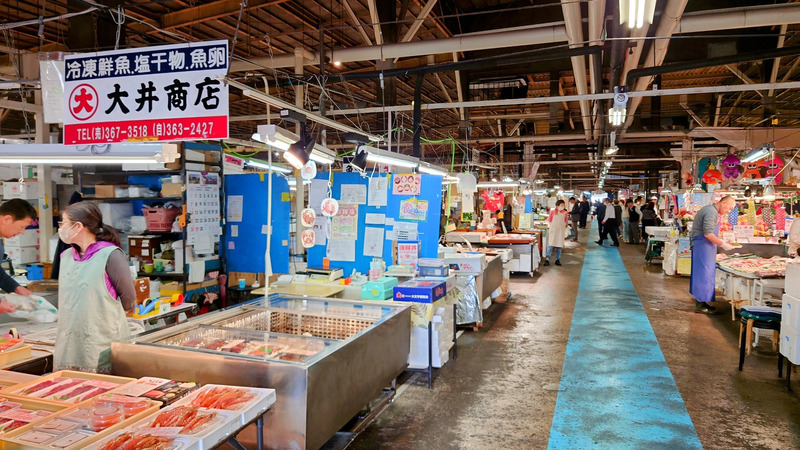
Photo by "TRAVEL TO TOHOKU - The official tourism website of Tohoku, Japan"
One of the market’s most enjoyable experiences is creating your own kaisen-don (sushi bowl): choose your favorite toppings from the well-known vendors, place them over a bowl of rice, and craft a dish entirely your own. You may even get a bento version for your return to trip to Tokyo on the Shinkansen.
Travel summary
This 10-day journey began with lunch at Hasshoku Center, where visitors can grill their own freshly bought seafood. To end on a similar note, make time for one last seafood feast at the Shiogama Seafood Wholesale Market, home to over 140 stalls selling local specialties, including the renowned Matsushima oysters.
For a more ski-focused itinerary with several days spent fully enjoying the snow at a single resort, purchasing individual tickets may also be an ideal choice.
The deep, silent North now beckons. Let the legendary JAPOW and ancient landscapes guide your journey along the rails.
The deep, silent North now beckons. Let the legendary JAPOW and ancient landscapes guide your journey along the rails.
Find Your New Adventure Start Your Next Trip
Would you like to read our featured article, which introduces a rail journey utilizing the JR EAST PASS to connect with the spirit and soul of Southern Tohoku, from samurai legends to sacred mountains and beautiful coastlines?
アクセスランキング
 1
1
2026年も「キュン♥パス」を発売!おトクなキャンペーンも盛りだくさん♪
JREメディア編集部
 2
2
東京駅でしか買えない限定お土産15選
 3
3
【キュン♥パス】2025年も平日1日間・連続する2日間JR東日本乗り放題きっぷで旅をしよう!
 4
4
みどりの窓口のある駅・営業時間|近くのみどりの窓口はどこ?【JR東日本】
 5
5